
Giant sword fern
Nephrolepis biserrata
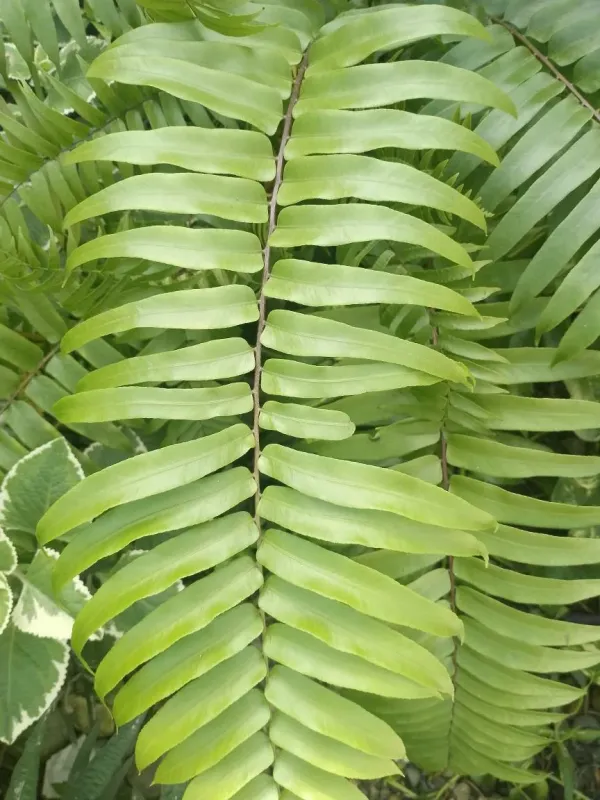
Description
Growing requirements
Nephrolepis biserrata, commonly known as the giant sword fern, is a robust member of the Lomariopsidaceae family. Native to tropical regions worldwide, it thrives in warm, humid environments typical of rainforest floors and tree canopies.
The culture requires a consistent climate with temperatures between 20°C and 26°C. It is highly sensitive to cold spells and freezing, making it essential to provide stable greenhouse conditions in cooler climates.
Soil requirements focus on high organic matter content and excellent drainage. A mix comprising sphagnum peat moss, perlite, and pine bark creates the ideal structure for healthy rhizome and root development.
Cultural practices involve maintaining high ambient humidity, often exceeding 60%. Frequent misting or the use of humidifiers is necessary, especially during periods of active growth to prevent leaf tip browning.
Light levels should be bright but filtered. Direct sunlight will bleach the fronds and cause significant tissue damage, whereas deep shade will result in elongated, weak stems and slow overall growth.
Main diseases and pests
Common pests include spider mites, scale insects, and mealybugs. These organisms thrive in environments with poor ventilation or consistently low humidity, often colonizing the undersides of the fronds.
Pathogenic threats are primarily fungal, such as Rhizoctonia, which affects roots if the growing medium remains waterlogged. Fungal leaf spots may occur if the foliage is kept wet for too long in stagnant air.
Control strategies involve a combination of biological and chemical interventions. Neem oil or mild insecticidal soaps are effective against soft-bodied pests, while systemic fungicides should be reserved for severe infections.
Good sanitation is crucial for managing the giant sword fern. Regularly removing old, dying fronds prevents the accumulation of organic debris that can harbor pests and pathogens.
Environmental monitoring is the best defense against threats. Ensuring that the pot size is appropriate prevents root rot, as oversized containers often hold excessive moisture, creating a perfect habitat for anaerobic bacteria.