
Microsorum
Microsorum Link
Microsorum is a diverse genus of ferns belonging to the Polypodiaceae family. These plants are native to the tropical forests of Africa, Asia, and Australia, where they predominantly grow as epiphytes on tree trunks or rocks, utilizing their creeping, scaly rhizomes to anchor themselves.
What the section contains


Microsorum
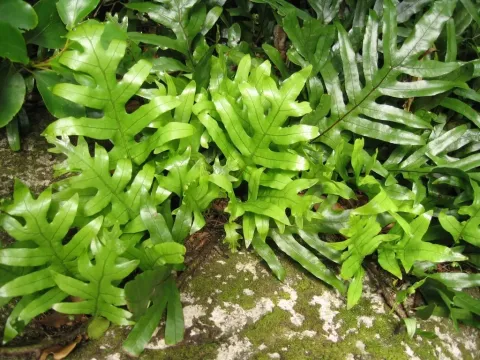
The botanical structure of Microsorum includes leathery fronds that vary significantly in shape depending on the species. Some varieties feature simple, elongated leaves, while others display deeply lobed or "cabbage-like" foliage. The rhizomes are a key survival mechanism, storing water and nutrients to support the plant during periods of lower rainfall.
In cultivation, these ferns require bright, indirect light. Direct sunlight is highly detrimental, causing irreversible leaf scorch. They thrive in environments where the humidity level is consistently above 60%, making them ideal candidates for bathrooms or terrariums with proper air circulation.
The substrate must be exceptionally well-draining, mimicking the forest floor or tree bark niches where they naturally occur. A mixture of orchid bark, peat moss, and perlite provides the necessary aeration for the rhizomes, preventing suffocation and ensuring healthy root development.
Temperature management is critical for Microsorum; they prefer a stable environment between 20°C and 25°C. Exposure to sudden temperature drops or freezing drafts can cause significant tissue damage. During the winter, a slight reduction in temperature is acceptable, but it should not fall below 16°C.
The most common pests affecting Microsorum are spider mites and scale insects. Spider mites thrive in dry conditions and can quickly colonize the undersides of the fronds, leading to stippling and yellowing, while scale insects appear as small, hard brown bumps along the veins.
Root rot is the primary physiological threat, usually triggered by waterlogging the soil. Because the rhizomes are adapted for air exposure, keeping them buried in dense, wet soil will lead to rapid decay. It is essential to ensure that the water drains freely from the pot.
Anthracnose and other fungal leaf spots may occur if the foliage remains wet for extended periods in poor light. These spots typically appear as irregular dark brown or black lesions, often spreading rapidly if the plant is overcrowded or lacks ventilation.
Control strategies involve removing heavily infested fronds and applying appropriate organic soaps or horticultural oils for minor pest outbreaks. Systemic pesticides should be used with caution, ensuring the plant is not in direct sun during the application process.
Maintaining a balanced watering regime is the best preventative measure against most pathogens. If signs of decay appear, it is recommended to unpot the plant, trim back affected rhizome segments, treat the cuts with powdered charcoal, and repot into fresh, sterile substrate.