
Nephrolepis obliterata
Nephrolepis obliterata
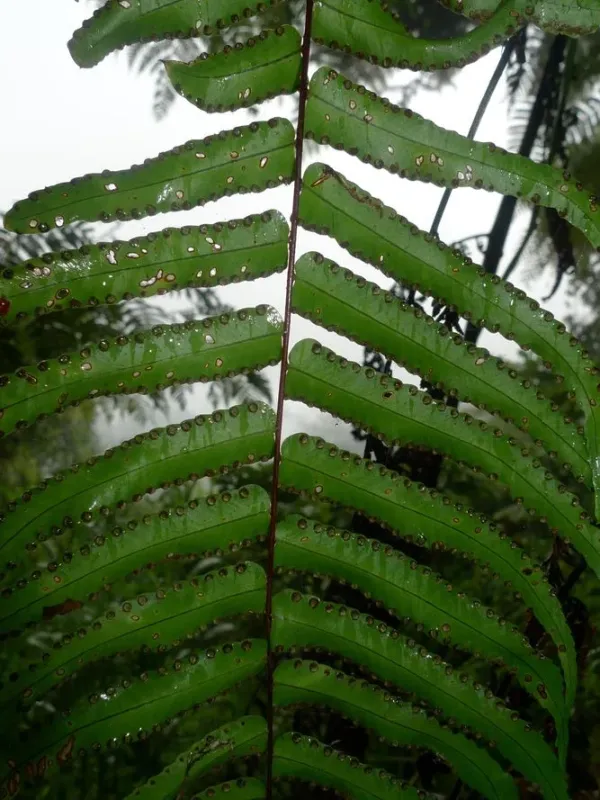
Description
Growing requirements
Nephrolepis obliterata, commonly known as the Kimberley Queen fern, belongs to the Lomariopsidaceae family. Originating from the tropical regions of Australia and Southeast Asia, this fern is a highly adaptable species known for its upright, sword-shaped fronds.
The plant thrives in warm tropical conditions with optimal temperatures ranging between 18 and 25 degrees Celsius. It requires protection from direct cold drafts, which can cause significant physiological stress and lead to foliage browning.
A crucial aspect of its cultivation is maintaining high ambient humidity. While this species is more tolerant of drier air than other ferns, regular misting or placement on pebble trays with water significantly enhances its overall health and leaf color intensity.
Cultivation requires a well-draining, peat-based growing medium with a slightly acidic pH. The soil should remain consistently moist but never waterlogged; proper drainage is essential to prevent root rot, which is the most frequent cause of plant mortality in professional nurseries.
In commercial and interior landscaping, Nephrolepis obliterata is valued for its hardiness and elegant vertical growth habit. It serves as an excellent choice for large containers, hanging baskets, and ground cover in temperate conservatory environments.
Main diseases and pests
Scale insects are a primary pest for this fern. These small insects appear as brown, hard bumps on the stems and leaf undersides, extracting sap and weakening the structure of the fronds if left untreated.
Spider mites are a persistent threat in environments with low humidity. They spin barely visible webs and cause yellowing or stippling on the leaves, which significantly reduces the aesthetic quality of the fern in interior displays.
Mealybugs can often be found in the dense, protected areas of the fern's crown. They appear as small, white cottony masses, leading to stunted growth and a general decline in the plant's vigor.
Fungal diseases, including root rot and Rhizoctonia, frequently occur when the irrigation regime is poorly managed. Over-watering creates an anaerobic environment in the soil, which facilitates the rapid spread of pathogenic fungi.
Effective management involves consistent monitoring for signs of infestation and maintaining appropriate air circulation around the plants. In cases of severe pest outbreak, application of appropriate systemic insecticides is necessary to restore plant health.