
Nephrolepis multiflora
Nephrolepis multiflora
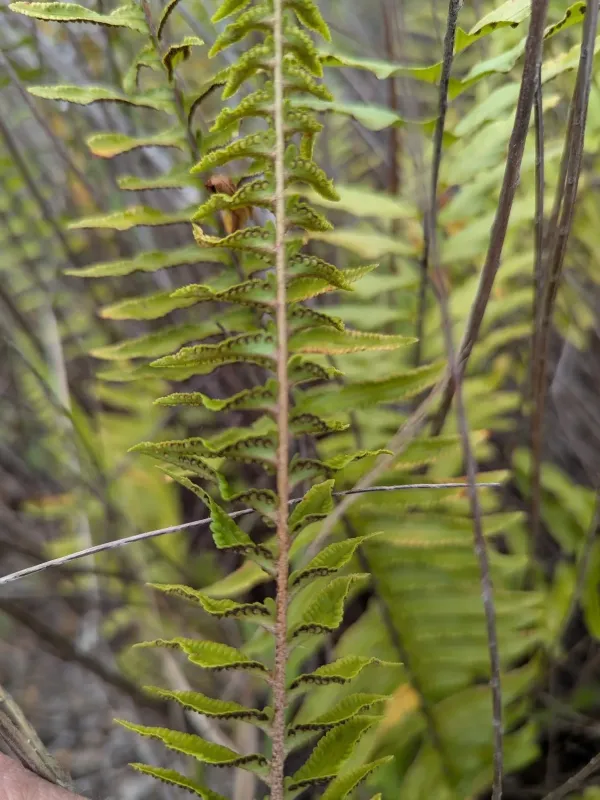
Description
Growing requirements
Nephrolepis multiflora, commonly known as the ladder fern, is a perennial plant species belonging to the Lomariopsidaceae family. It is native to the tropical regions of Southeast Asia and Australia, where it thrives in humid and shaded forest environments.
In terms of climate requirements, this fern prefers stable ambient temperatures ranging from 18°C to 25°C. It is intolerant of frost and significant temperature fluctuations, which can negatively impact the integrity of the fronds and the overall vitality of the plant.
The soil profile for this crop should be highly porous, well-draining, and rich in organic matter. A mixture composed of peat moss, pine bark, and perlite provides the necessary structure to prevent compaction and ensure adequate oxygen availability to the root system.
Cultural practices include maintaining consistent humidity, ideally between 60% and 80%, to mimic its natural tropical habitat. Supplemental misting or the use of automated humidification systems is essential in commercial greenhouse production to maintain frond quality.
Commercially, Nephrolepis multiflora is cultivated for its ornamental value in landscaping, retail horticulture, and indoor decoration. It is highly valued for its dense foliage, rapid growth rate, and air-purifying properties, making it a staple in the greenhouse industry.
Main diseases and pests
Scale insects are a primary pest for this species, often clustering along the stalks and veins of the fronds. These pests require persistent monitoring and the application of horticultural oils or systemic insecticides to prevent damage to the plant's vascular tissues.
Spider mites represent a significant threat in environments with low humidity and high heat. Their feeding causes stippling and browning of the fronds, leading to severe aesthetic damage; regular leaf washing and predatory mite application are effective biological controls.
Fungus gnats can become problematic in consistently moist substrates where larvae feed on organic matter and potentially damage the roots. Management strategies include improving soil drainage and using biological larvicides like Bacillus thuringiensis subspecies israelensis.
Root rot caused by overwatering is a critical health risk for Nephrolepis species. Maintaining a proper irrigation cycle and ensuring that the substrate is not waterlogged at the base of the container is crucial to prevent the onset of anaerobic conditions.
Leaf blight diseases are often induced by poor air circulation and excessive moisture on the fronds. Maintaining sufficient spacing between plants and utilizing ventilation fans in the greenhouse helps to lower the risk of fungal pathogen development and spread.