
Sickle-leaf sword fern
Nephrolepis falcata
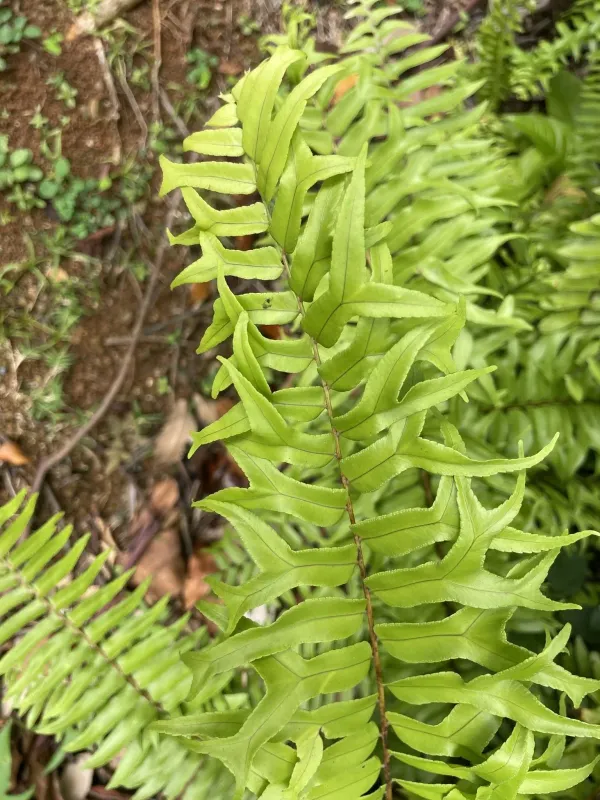
Description
Growing requirements
Nephrolepis falcata, commonly known as the sickle-leaf sword fern, belongs to the Lomariopsidaceae family. This perennial fern is native to the tropical regions of Asia and Australia, where it thrives in humid, shaded environments as a ground-dwelling or epiphytic plant.
Botanically, the plant is characterized by its long, arching fronds that feature distinct sickle-shaped pinnae. These fronds emerge from a central rhizome system, creating a dense and decorative clump that can expand horizontally under favorable conditions.
Cultivation requires bright, indirect light to prevent the scorching of delicate fronds. The ideal temperature range is between 18°C and 25°C. Protection from cold drafts is essential, as the species is sensitive to sudden drops in temperature and dry air.
Soil requirements focus on high organic matter content and excellent drainage. A mix of peat moss, pine bark, and perlite provides the necessary structure and acidity. Maintaining a loose, airy root environment is critical for preventing root asphyxiation in this species.
Agricultural management includes consistent irrigation to keep the substrate evenly moist but never waterlogged. Regular misting of the foliage is highly recommended to mimic the humid tropical climate, which significantly improves the growth vigor and color intensity of the fronds.
Main diseases and pests
Common pests affecting this culture include scale insects and spider mites. These pests thrive in poorly ventilated areas with low humidity, causing leaf chlorosis and eventual necrosis of the fronds if the infestation is left uncontrolled for extended periods.
Fungal diseases are predominantly caused by water stagnation within the root zone. Overwatering often leads to the proliferation of pathogenic fungi, which manifest as stem rot or leaf spotting. Proper drainage and sanitation are the primary measures for disease prevention.