
Nephrolepis hirsutula
Nephrolepis hirsutula
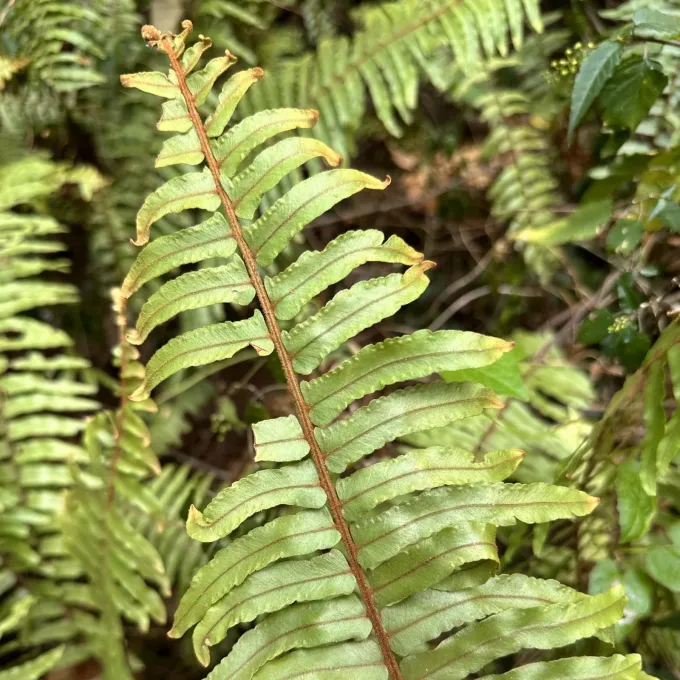
Description
Growing requirements
Nephrolepis hirsutula, a member of the Lomariopsidaceae family, is a distinct fern species widely recognized for its graceful, arching fronds. Native to tropical regions across Africa, Asia, and the Pacific, this plant thrives in humid forest floors and tree crotches.
Optimal growth for this species requires stable temperatures ranging from 18°C to 25°C. Exposure to sudden cold snaps or frost must be strictly avoided, as the plant is highly sensitive to temperature fluctuations and will suffer significant foliage damage.
This fern demands high humidity levels, ideally above 65%. In domestic or greenhouse settings, consistent misting or the use of humidifiers is necessary to mimic its native tropical environment and prevent the tips of the fronds from turning brown and brittle.
The substrate must be light, porous, and nutrient-rich. A mix of peat moss, pine bark, and perlite provides the necessary drainage while maintaining the moisture levels required for the fern’s extensive root system to remain healthy.
Light requirements are centered on bright, filtered sunlight. Excessive direct light can lead to leaf scorch, while deep shade will cause the fronds to become elongated and sparse, reducing the overall aesthetic quality of the plant.
Main diseases and pests
The most common pests affecting Nephrolepis hirsutula are scale insects and spider mites. These pests thrive in indoor environments with poor air circulation and low humidity, often hidden on the undersides of the fronds.
Root rot is the most significant disease threat, typically caused by overwatering or using a substrate with inadequate drainage. Once the roots begin to decay, the plant struggles to transport water, leading to rapid yellowing and wilting.
Mealybugs can also infest the plant, clustering in the protected areas where the fronds emerge from the central rootstock. Early detection is crucial, as they can quickly spread to other indoor plants.
Biological control methods, such as introducing predatory mites or using insecticidal soaps, are preferred for home cultivation to ensure safety while managing pest populations effectively.
Maintaining proper hygiene by removing dead or yellowing fronds helps reduce the risk of secondary infections and improves the airflow around the center of the plant, further discouraging pest colonization.