
Nephrolepis undulata
Nephrolepis undulata
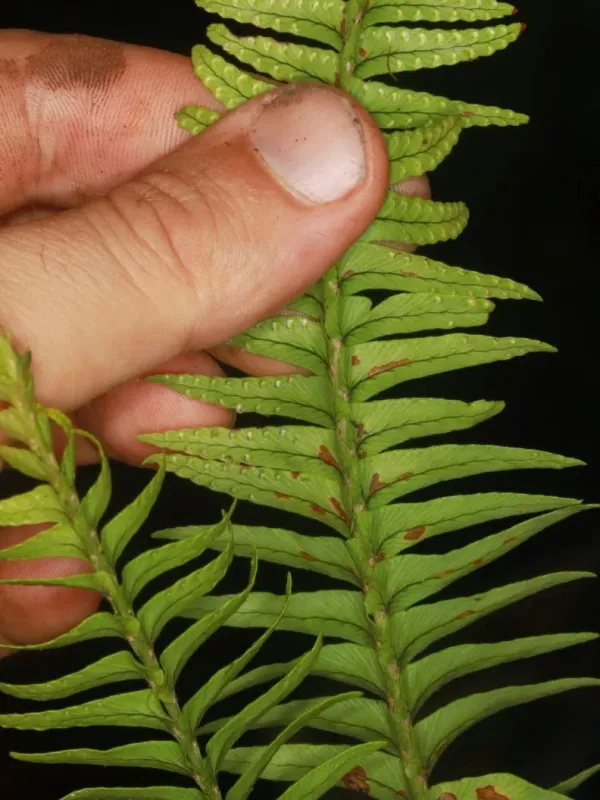
Description
Growing requirements
Nephrolepis undulata, a member of the Lomariopsidaceae family, is a delicate fern native to the tropical regions of Africa. It typically thrives in moist, shaded environments, often found near forest floors where humidity remains high.
The plant requires a stable temperature range between 18°C and 24°C. It is particularly sensitive to cold drafts and sudden thermal fluctuations, which can cause significant physiological stress and leaf drop.
High relative humidity is essential for the healthy development of this fern. Growers should aim for at least 60% humidity, often requiring the use of room humidifiers or frequent misting to simulate its native habitat.
The potting medium must be porous and well-draining. A mix consisting of peat moss, pine bark, and perlite provides the necessary structure to prevent compaction and allow adequate oxygen to reach the roots.
Light intensity should be carefully managed. Nephrolepis undulata prefers bright, indirect light; exposure to direct sunlight for extended periods will damage the fronds and lead to chlorosis or scorch marks.
Main diseases and pests
Common pests include spider mites, scale insects, and mealybugs, which tend to infest the plant in dry or stagnant air conditions. Regular monitoring of the undersides of the fronds is crucial for early detection.
Root rot is the most common pathological issue, typically resulting from overwatering or inadequate drainage. Preventing waterlogged conditions is the primary strategy for maintaining the health of the root system.