
Nephrolepis pendula
Nephrolepis pendula
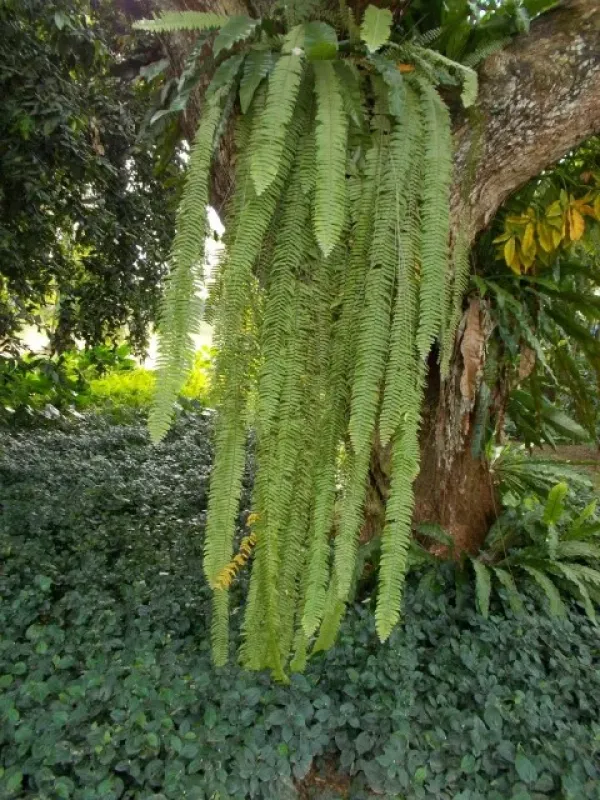
Description
Growing requirements
Nephrolepis pendula is a distinctive member of the Lomariopsidaceae family. Originating from the tropical forests of Central and South America, this plant is well-known for its cascading fronds and long, slender growth habit.
The plant requires high levels of humidity to thrive. For commercial cultivation, maintaining a humidity level between 65% and 80% is essential for healthy foliage development and to prevent the tips of the fronds from browning.
Regarding light requirements, the species favors bright, filtered sunlight. Exposure to harsh, direct sunlight will scorch the fronds and degrade the aesthetic and commercial value of the crop.
The soil media must be highly porous and moisture-retentive but never waterlogged. A mixture consisting of peat moss, pine bark, and perlite provides the necessary structure to support the root system effectively.
Temperature management is critical; the plants perform best within a range of 18°C to 25°C. Exposure to sudden temperature drops should be avoided to prevent stress and growth stagnation.
Main diseases and pests
Fungal leaf spot is a common concern in high-humidity environments. Proper spacing between individual plants is necessary to promote adequate air circulation and reduce the risk of pathogen spread.
Mealybugs are the primary insect threat for this species. They hide in the tight junctions of the fronds and reproduce rapidly, necessitating early detection and systemic insecticide treatment if infestations occur.
Root rot caused by Phytophthora or Pythium species is frequently observed in poorly drained containers. Careful monitoring of irrigation volumes is the most effective preventative measure against these diseases.
Spider mites pose a threat during dry periods. These pests suck nutrients from the leaves, causing a stippled appearance and eventual yellowing of the fronds if left untreated by appropriate acaricides.
Preventative cultural practices include removing dead or damaged fronds immediately to prevent decaying tissue from harboring fungi or pests that could compromise the overall health of the plant population.