
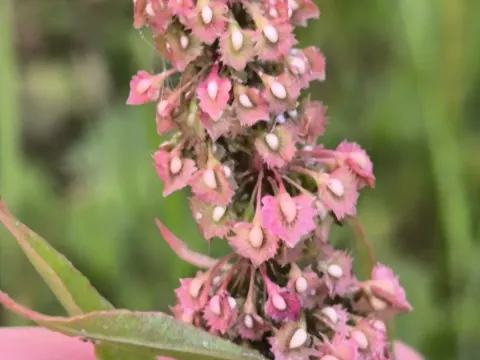
Narrow-leaved dock
Rumex stenophyllus
Narrow-leaved dock (Rumex stenophyllus) is a perennial herbaceous plant belonging to the Polygonaceae family. It is known for its high reproductive capacity and ability to adapt to various environmental conditions during the establishment phase.
What the section contains
Narrow-leaved dock
The optimal time for sowing is early spring when soil temperatures reach 5-8 degrees Celsius. Autumn sowing is also a viable option, allowing for natural stratification of seeds and earlier germination when the spring season begins.
Seeds should be sown in rows with a spacing of 20-30 centimeters, which facilitates weeding and maintenance. The seeding depth should be shallow, approximately 1-2 centimeters, to ensure proper soil-to-seed contact without burying the seeds too deeply.
A seed rate of 8-12 kilograms per hectare is recommended for commercial production. Uniform sowing is critical for achieving a balanced stand density, which is essential for uniform growth and high quality of the leaves.
Once seedlings emerge, thinning is required to maintain a distance of 10-15 centimeters between plants. Proper spacing prevents overcrowding, which can otherwise lead to stunted growth and premature bolting of the crop.
This crop thrives in fertile, well-drained soils with a high content of organic matter. Loam and sandy loam soils are ideal, providing the necessary moisture retention while allowing for adequate root system development.
While tolerant of various soil pH levels, the plant performs best in neutral to slightly acidic soils. It requires sufficient moisture throughout the growing season to produce tender, high-quality leaves suitable for culinary or industrial use.
Sunlight is a key factor in leaf development. Although the plant is shade-tolerant, exposure to full sun promotes more vigorous growth and faster leaf regeneration after harvesting, especially in the early spring period.
Rumex stenophyllus is highly winter-hardy and can withstand freezing temperatures without significant damage to its roots. This resilience makes it a reliable perennial crop even in regions with harsh winters.
Fertilization management is necessary to maintain productivity over multiple years. Nitrogen-based fertilizers applied early in the spring boost vegetative growth, while potassium supports root health and overall plant vitality.
The yield of narrow-leaved dock is primarily determined by the frequency of harvesting and the level of soil management. With proper care, multiple cuts can be made during the growing season, totaling up to 25-30 tons of green mass per hectare.
Productivity typically peaks in the second and third years of cultivation. As the plantation ages, the root system can become too dense, which may eventually lead to a decline in yield, necessitating rejuvenation or replanting.
To maximize yields, it is crucial to prevent the plant from flowering. Once the plant enters the reproductive phase, the leaves lose their tenderness and nutritional quality, making the crop less desirable for market.
Yield is strongly influenced by irrigation during dry periods. Lack of water significantly reduces the leaf size and the number of subsequent cuts that can be obtained within a single season.
Proper harvesting techniques, such as leaving enough vegetative mass for the plant to recover, are essential for maintaining high total seasonal yields. Over-harvesting can weaken the plant and reduce its longevity.
The dock leaf beetle is one of the primary pests that can cause severe damage to the foliage. Integrated pest management, including biological controls, is effective in minimizing the impact of these insects.
Rust diseases, characterized by brown spots on the leaves, can occur in damp and stagnant air conditions. Improving field drainage and maintaining appropriate plant spacing are primary strategies for preventing fungal infections.
Powdery mildew may affect the crop during warm, dry spells, especially when there is high humidity at night. Monitoring for early signs of infection and removing affected leaves is recommended to stop the spread.
Root rot is a major threat if the soil remains waterlogged. Ensuring that the site is well-drained is the most effective way to protect the crop from soil-borne pathogens that target the root system.
Weeds compete aggressively with dock seedlings during the establishment phase. Effective weed management programs, including mechanical cultivation, are necessary to prevent weed infestation in the early stages of growth.
Harvesting begins when leaves reach a length of 10-15 centimeters, which typically occurs early in the spring. Timely cutting is essential to maintain the best flavor and nutritional value of the leaves.
Successive cuts can be performed at intervals of 15 to 20 days. This cycle encourages the plant to continue producing fresh leaves, providing a continuous harvest throughout the active growing period.
Proper harvest equipment should leave the central buds intact to ensure regrowth. Sharp tools are necessary to make clean cuts, preventing tissue damage that can attract pests or lead to fungal infections.
Harvested leaves should be cooled immediately and kept in cool conditions to prevent wilting and degradation. High-quality packaging that allows for some ventilation helps maintain freshness during transportation.
The final harvest of the season should be completed at least six weeks before the first frost. This allows the plants to allocate resources to the root system, ensuring they have the energy needed for successful overwintering.