
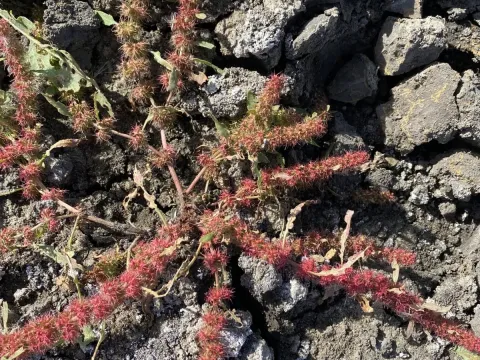
Marshall's sorrel
Rumex marschallianus
Marshall's sorrel (Rumex marschallianus) is a perennial herbaceous plant belonging to the Polygonaceae family, typically found in steppe regions of Eurasia.
What the section contains
Marshall's sorrel
Sowing should be performed in early spring or late autumn, ensuring the seeds are placed at a shallow depth of approximately 1 to 2 centimeters for optimal emergence.
The soil must be well-prepared, loose, and free of persistent weeds, as young seedlings can be sensitive to competition during the initial growth stage.
Spacing between rows should be maintained at 30 to 45 centimeters to provide enough air circulation and space for mechanical weeding and cultural care.
Uniform soil moisture is essential during the germination period, which usually lasts about two weeks depending on the soil temperature profile.
This crop thrives in fertile, well-drained loam soils that provide consistent access to moisture while avoiding stagnant water conditions.
Although it tolerates a range of soil types, it performs best in neutral to slightly acidic soil conditions, avoiding heavy clay or overly sandy textures.
Marshall's sorrel is highly hardy, capable of surviving harsh winters and demonstrating robust recovery after the spring growth cycle begins.
Adequate sunlight is required for the development of healthy foliage, though the plant can tolerate partial shade in areas with intense heat.
Fertilization with well-rotted manure or balanced mineral fertilizers during the early spring encourages vigorous leaf production and higher yields.
Common pests affecting Marshall's sorrel include aphids and leaf beetles, which feed on the foliage and can significantly reduce the marketable quality.
Fungal diseases like powdery mildew and rust may occur in damp conditions, especially when air circulation between plants is restricted.
Integrated pest management strategies, including the use of beneficial insects and resistant varieties, are recommended over heavy pesticide use.
Regular monitoring of the crops allows farmers to identify early signs of stress or infestation, enabling precise and localized treatment actions.
Removing infected plant debris from the site is a critical sanitary practice to prevent the overwintering of pathogens that could infect future crops.
Harvesting is typically done manually by cutting the leaves when they are tender and reach the desired length, usually 10 to 15 centimeters long.
Care must be taken to avoid damaging the crown or the center of the rosette, as this is vital for the continuous regrowth of the plant.
Depending on the climatic conditions and moisture availability, multiple cuts can be made throughout the season to ensure a continuous supply.
Harvested leaves should be handled gently and kept in a cool environment to maintain freshness and prevent rapid wilting after detachment.
Towards the end of the season, it is advisable to reduce harvesting intensity, allowing the plant to store energy in its roots for successful dormancy.