
Madeira sorrel
Rumex maderensis
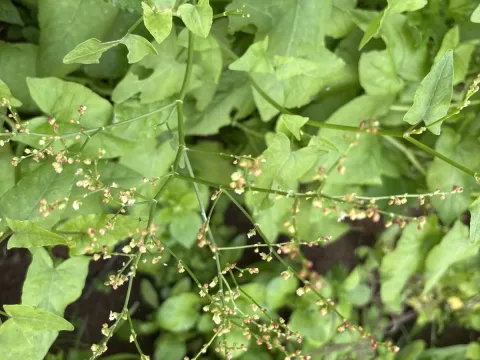
Madeira sorrel (Rumex maderensis) is a perennial herbaceous plant belonging to the Polygonaceae family. Originating from the Madeira archipelago, it possesses unique physiological characteristics that distinguish it from common sorrel varieties.
What the section contains
Madeira sorrel
The sowing season typically begins in early spring, once soil temperatures remain consistently above 10°C. For better control over germination, the nursery or plug tray method is highly recommended, allowing plants to establish root systems before transplanting.
Seeds should be sown in a high-quality, well-draining potting mix at a shallow depth of no more than 1 cm. Consistent moisture is crucial during the germination phase to ensure a high percentage of emergence.
Once seedlings have developed 3 to 4 true leaves, they should be hardened off and transplanted to their final location, keeping a spacing of 20–25 cm to encourage vigorous rosette development.
Proper spacing not only promotes the growth of larger leaves but also ensures adequate airflow, which is vital for reducing the incidence of fungal pathogens in the crop.
As a species adapted to an island climate, Madeira sorrel requires bright, indirect to direct sunlight to maintain optimal leaf development and prevent the plant from becoming leggy.
The plant thrives in fertile, loamy soils with a pH ranging from 6.0 to 7.0. Ensuring that the soil structure is friable is essential for the healthy development of the taproot system.
Water management is critical; while the plant requires regular irrigation, it cannot tolerate waterlogged conditions. Drip irrigation systems are preferred to keep foliage dry and reduce the risk of diseases.
An ideal temperature for growth is between 18°C and 25°C. During extreme heat waves, providing light shade can prevent the plant from bolting prematurely, which would otherwise terminate the leaf production cycle.
Regular maintenance tasks include the removal of weeds and periodic loosening of the soil crust to improve aeration, which supports faster regrowth after harvest cycles.
The primary threats to Madeira sorrel include powdery mildew and other fungal diseases that thrive in poorly ventilated environments. Maintaining proper spacing and irrigation schedules is the best defense.
Insects like leaf beetles, slugs, and snails can pose significant risks during the early stages of growth. Integrated pest management, including physical barriers or biological controls, is suggested.
Regular monitoring of the underside of leaves is necessary to detect aphid or mite infestations before they become a widespread problem across the cultivation area.
Good sanitation practices, such as removing debris and infected leaves, help limit the spread of diseases and keep the planting area clean and productive.
Avoiding crop rotation cycles with other Polygonaceae plants can help reduce the prevalence of soil-borne pathogens that might target the sorrel family specifically.
Harvesting can begin approximately 6 to 8 weeks after transplantation. It is best to practice a cut-and-come-again method, selecting only the outer, mature leaves and leaving the central crown intact.
The best time to harvest is early in the morning when leaf turgor is highest, ensuring the harvested greens retain freshness for a longer period post-harvest.
Frequent harvests stimulate the plant to produce new growth throughout the season. However, it is essential to allow the plant time to replenish its energy reserves between significant cuts.
Bolting stalks must be removed immediately upon appearance to redirect the plant's metabolic energy back into the production of edible foliage rather than seed production.
The harvested leaves are widely used in culinary applications, prized for their mild, slightly acidic flavor that complements various salads and cooked dishes.