
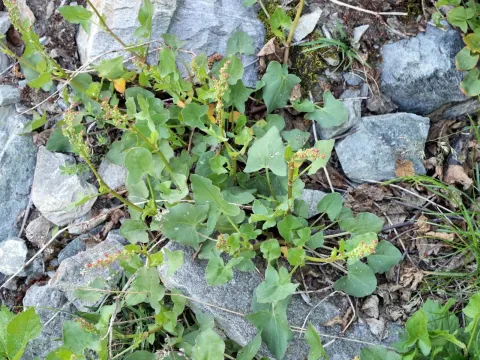
French sorrel
Rumex scutatus
French sorrel, botanically known as Rumex scutatus, is a hardy perennial belonging to the Polygonaceae family. It is typically propagated by seeds sown directly in the garden in early spring or late summer, or by dividing established clumps.
What the section contains
French sorrel
When sowing seeds, space rows about 30–40 centimeters apart to ensure adequate airflow. Plant the seeds at a shallow depth of approximately 1 to 2 centimeters in fertile, well-prepared soil to encourage uniform germination.
For those starting early, seeds can be sown in trays indoors during late winter. Transplanting the seedlings into the ground after the last frost provides the plants with a head start for the growing season.
The establishment period requires patience, as young plants may grow slowly initially. Weed control is essential during this stage to ensure the sorrel does not compete for nutrients with more aggressive garden weeds.
If dividing existing plants, choose mature specimens in early spring. Gently separate the root ball into smaller sections, ensuring each has a healthy portion of roots and foliage before replanting.
This crop thrives in full sun but can tolerate partial shade, especially in regions with intense summer heat. While it adapts to various light levels, consistent sun produces the best flavor profile.
Rumex scutatus prefers well-drained, fertile soil with a slightly acidic to neutral pH. It performs exceptionally well in sandy or loamy textures where moisture is available but never stagnant.
Watering should be consistent, especially during dry spells, as drought conditions can cause the leaves to become bitter and induce premature bolting. Always aim the water at the base of the plant to keep the foliage dry.
As a hardy perennial, it is highly frost-tolerant and does not require winter protection in most temperate climates. Growth typically resumes very early in the spring as soon as temperatures rise.
Incorporating well-rotted compost into the soil before planting provides sufficient nutrients for healthy growth. Avoid excessive nitrogen fertilizer, which may cause lush but overly succulent growth prone to damage.
The yield of French sorrel is determined by the regularity of harvesting and the overall health of the plant. A well-managed crop can provide continuous harvests from late spring until the first heavy frost.
First harvest can usually begin about 50 to 60 days after sowing. By harvesting individual outer leaves, you encourage the plant to continue producing fresh growth from the center of the rosette throughout the season.
Preventing the plant from flowering is the most important factor in maintaining yield. Flower stalks consume energy that would otherwise be used for leaf production, and they often cause the leaves to become woody.
Plants become more productive in their second and third years as the root system matures. With proper care, a single patch of French sorrel can produce for several years before needing division or rejuvenation.
Expect an average yield of approximately 1.5 to 2 kilograms per square meter under optimal conditions. This makes it a highly efficient crop for both home kitchen gardens and professional market gardening.
Rust is the most common fungal disease, typically appearing as brown or orange spots on the leaves. It is best managed by maintaining proper plant spacing and ensuring good ventilation around the foliage.
The sorrel leaf beetle can occasionally infest the crop, causing irregular holes in the leaves. For minor infestations, hand-picking is the safest and most effective method for organic vegetable patches.
Slugs and snails may be problematic during damp, cool springs. Utilizing mulch made of dry or abrasive materials can help deter these pests from reaching the tender foliage of the sorrel.
Powdery mildew might occur in environments with poor air circulation or drastic temperature fluctuations. Removing infected leaves and ensuring space between plants are effective preventative measures.
Root rot is rarely an issue unless the soil is poorly drained. Ensuring that your planting site has proper drainage is the single best way to avoid all soil-borne pathogens and diseases.
Harvesting is performed by clipping the outer leaves with clean, sharp shears about 3 centimeters above the soil line. This precise method prevents damage to the crown and promotes secondary growth.
Morning is the ideal time for harvesting when the leaves are most turgid and flavorful. Because the leaves are delicate, they should be used quickly or stored in a refrigerator for a short duration.
The flavor of French sorrel is distinctly tangy and lemony, making it a sophisticated addition to soups, sauces, salads, and vinaigrettes. It is highly prized by chefs for its unique acidity.
Follow every harvest with a light watering to help the plant recover. If the growth seems sluggish, a dilute organic liquid fertilizer can be applied to provide a quick nutrient boost for the next flush.
While fresh is best, surplus harvest can be successfully preserved through freezing. Simply wash, blanch briefly, and store in airtight bags to enjoy the unique taste of French sorrel throughout the winter.