
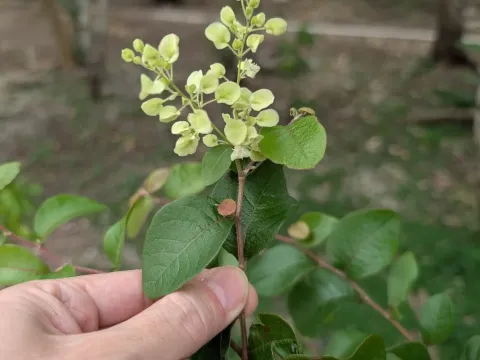
Gymnopodium
Gymnopodium
Gymnopodium is a genus of woody plants belonging to the Polygonaceae (buckwheat) family. While not a conventional commercial crop, it represents a significant biological resource within the tropical ecosystems of Central America, primarily found in Mexico and Belize.
What the section contains

Gymnopodium
The natural habitat of this plant includes seasonal dry forests and areas with limestone-derived soils. It has evolved to survive in environments that experience distinct dry seasons, showcasing a high degree of drought tolerance once the plant is well-established.
In terms of climatic requirements, Gymnopodium thrives in tropical zones where temperature fluctuations are minimal. It requires high solar radiation levels for optimal growth, making it well-suited for open canopy conditions or forest edges.
The botanical structure of the genus is characterized by woody stems and simple leaves that exhibit morphological adaptations to water conservation. The inflorescences are typical for the family, often attracting various pollinators in their native environment.
Soil management for this culture necessitates excellent drainage. Given its origin in limestone regions, the plant prefers alkaline or neutral soils. Any form of waterlogging can be detrimental, leading to rapid degradation of the root system.
The primary threats to Gymnopodium are fungal pathogens that thrive under high humidity, especially during the rainy season. These pathogens can cause significant foliar damage if the plants are crowded or lack proper air circulation.
Insect pests such as scale insects and aphids represent a constant threat to the vitality of the plant. They tend to cluster on young shoots, inhibiting growth and serving as vectors for various plant viruses that can weaken the host.
Root-knot nematodes can be a limiting factor in loose or sandy soil types. Implementing strict sanitation practices and using pathogen-free substrate during the propagation phase is critical for maintaining healthy plant populations.
Environmental stress, such as unseasonal frosts or prolonged flooding, significantly weakens the plant's resistance, making it more susceptible to secondary infections. Maintaining plant vigor through balanced nutrition is the best defense against such stresses.
Integrated Pest Management (IPM) protocols are recommended for nurseries cultivating this genus. This includes regular inspections, the use of beneficial predatory insects, and targeted interventions only when pest populations exceed defined economic thresholds.