
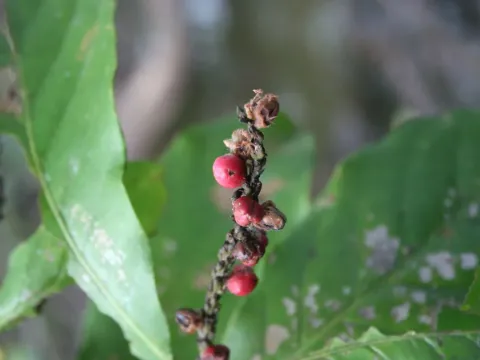
Coccoloba venosa
Coccoloba venosa
Coccoloba venosa is a distinctive woody plant belonging to the Polygonaceae family. Originating from the Caribbean, it is typically found in diverse tropical habitats where environmental conditions are consistently warm throughout the year.
What the section contains
Coccoloba venosa
The cultivation of this species requires a location with ample sunlight, as it thrives in full sun exposure. While it is adaptable to various soil types, the primary requirement is a well-draining medium to prevent root rot, which is common in heavy, waterlogged substrates.
Water management is critical during the initial establishment phase. Once mature, the plant exhibits a moderate level of resilience to dry periods, but consistent irrigation remains necessary for optimal growth and foliage density in agricultural or garden settings.
Soil nutrient status should be monitored regularly. Applying balanced fertilizers during the active growth season helps in developing a healthy crown and strong branching, which is essential for the plant's structural integrity.
The economic and practical use of Coccoloba venosa is primarily centered on ornamental horticulture. It is highly valued for landscaping projects in tropical regions, providing excellent cover and aesthetic appeal for parks, botanical gardens, and private estates.
Pathogenic fungi represent a primary threat to Coccoloba venosa, especially in stagnant air environments. Adequate spacing and pruning are essential practices to ensure proper ventilation and reduce the incidence of fungal outbreaks.
Pests such as scale insects and mealybugs frequently target the foliage. These pests can weaken the plant by extracting sap, so early detection through routine field scouting is a vital component of the plant health management program.
Aphid infestations may occur on new, succulent growth. Utilizing biological control agents or soft insecticidal soaps is generally effective in managing these pest populations without harming the surrounding ecosystem or beneficial pollinators.
Root system vulnerability is a specific concern. Over-irrigation frequently leads to the development of opportunistic root rot pathogens; therefore, soil moisture monitoring tools are recommended for precision irrigation management.
Viral infections may rarely affect the appearance of the leaves. Maintaining strict hygiene standards, such as sanitizing pruning tools between different specimens, is a critical step in preventing the spread of diseases within the cultivation area.