
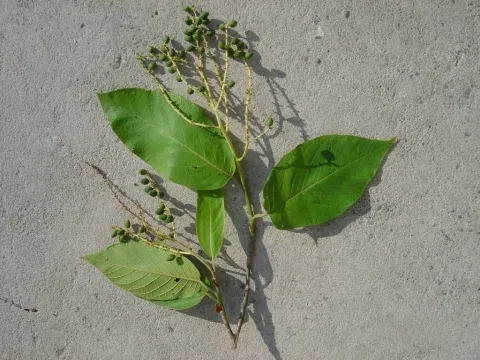
Coccoloba mollis
Coccoloba mollis
Coccoloba mollis is a tropical tree species belonging to the Polygonaceae family. It is native to the rainforest ecosystems of Central and South America, where it thrives under specific environmental conditions.
What the section contains
Coccoloba mollis
The plant requires a tropical climate characterized by consistently high temperatures and significant rainfall throughout the year. It does not tolerate frost and prefers areas where annual climate fluctuations are minimal.
In terms of soil requirements, Coccoloba mollis demands well-drained, nutrient-rich soils. Waterlogging is detrimental to the plant, making proper site selection and soil preparation essential for healthy growth.
Agrotechnical management includes proper irrigation during the early stages of development and periodic clearing of competitive vegetation. Maintaining a stable moisture level in the root zone is critical during the juvenile phase.
The economic value of this species lies in its wood, which is utilized in cabinetry and general construction. Furthermore, it serves as a component in reforestation programs aimed at restoring degraded tropical landscapes.
Coccoloba mollis can be susceptible to various fungal pathogens that thrive in warm, humid conditions. These diseases often affect the leaves and stems, leading to reduced growth vigor if left unmanaged.
Wood-boring insects represent a significant threat to established plantations. Regular monitoring and the removal of infested plant material are necessary to prevent widespread damage within a cultivated stand.
Pests that feed on foliage can impact the photosynthetic capacity of young trees, making protection measures during the nursery phase a standard requirement in commercial forestry.
Good air circulation is vital for maintaining the health of the trees. Ensuring adequate spacing between individuals helps reduce the humidity microclimate that favors the proliferation of harmful fungi.
Integrated pest management strategies are recommended to keep damage below economic thresholds, favoring sustainable practices over chemical intervention whenever possible.