
Cyprus sorrel
Rumex cyprius
Description
Sowing dates
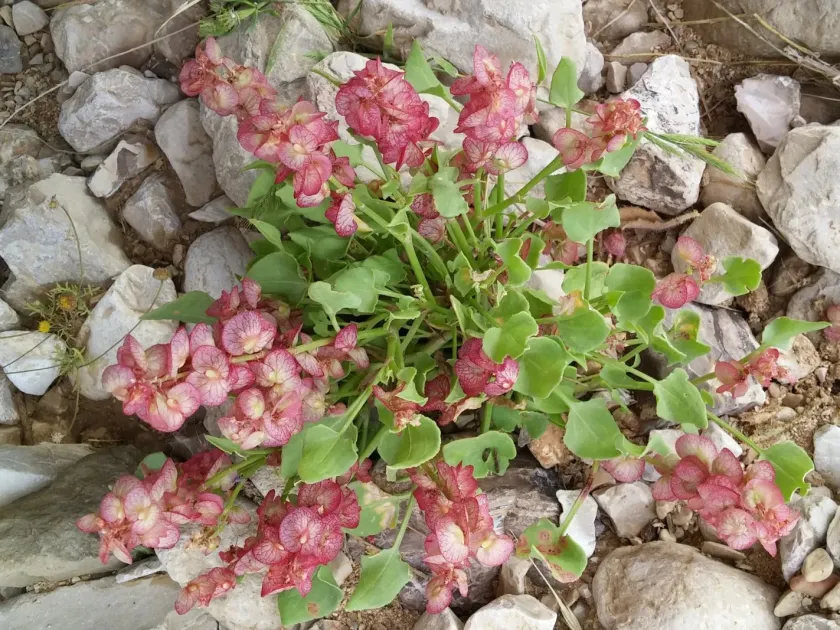
Cyprus sorrel (Rumex cyprius), a member of the Polygonaceae family, is an annual or perennial herb that thrives when sown in early spring conditions.
The ideal time for planting is when the soil temperature consistently reaches 5–8 degrees Celsius, typically occurring from late March to early April.
To maximize early production, many growers utilize greenhouse covers or high tunnels, which facilitate faster germination and initial development of the crop.
Seeds should be sown at a depth of 1–2 centimeters, ensuring spacing of approximately 20–25 centimeters between rows to allow for adequate leaf development.
Consistent soil moisture is vital during the germination phase to ensure a uniform stand, making careful site preparation essential for this crop.
Growing requirements
This crop prefers sunny locations with well-drained, fertile loamy or sandy soils that can maintain the moisture levels required for lush foliage growth.
Rumex cyprius performs best in slightly acidic to neutral soils; therefore, soil testing is recommended to ensure the pH balance is suitable for plant health.
Although the plant is somewhat drought-tolerant, it requires regular irrigation during dry spells to ensure the leaves remain tender and high in quality.
Incorporating organic matter, such as compost or well-rotted manure, prior to planting provides a nutrient-rich foundation for optimal yield performance.
Effective weed management is crucial in the early stages, as young sorrel plants can be easily outcompeted by aggressive weeds for light and space.
Yield
Productivity is highly dependent on consistent care and the timing of leaf harvest, which prevents the plant from entering a premature reproductive phase.
Under intensive management practices, Cyprus sorrel allows for multiple harvests per growing season, providing a steady supply of fresh, marketable produce.
Harvesting should occur when leaves reach a length of 10–15 centimeters, as this is the stage where the plants exhibit their best flavor and nutritional value.
Supplemental nitrogen fertilization immediately after each harvest promotes rapid leaf regrowth, significantly increasing the total seasonal output per square meter.
Care must be taken during harvesting to avoid damaging the central crown of the plant, ensuring that it remains productive throughout the entire season.
Main diseases and pests
Common pests affecting this crop include the sorrel leaf beetle and aphids, both of which can significantly reduce foliage quality and marketability.
Fungal diseases, such as rust and various leaf spot pathogens, are more prevalent in high-humidity environments with poor ventilation among plants.
Implementing crop rotation and ensuring adequate spacing are key preventative measures to reduce the incidence and spread of these common plant diseases.
Integrated pest management strategies, focusing on biological controls, are highly recommended to keep pest populations below damaging thresholds.
Regular monitoring of the fields helps in early identification of stress factors, allowing for timely intervention before large-scale damage occurs.
Harvesting
The harvest is conducted by cutting the leaves with a sharp tool about 2–3 centimeters above the soil line, taking care to protect the central growing point.
Early morning harvests are preferred, as the leaves are most turgid and fresh, which increases the shelf life and overall quality of the harvested product.
Once harvested, the produce should be cooled and packed properly to prevent wilting and degradation of vitamin content caused by heat exposure.
The final harvest of the season should be completed well before the first heavy frost to allow the plant to store sufficient reserves for dormancy.
Post-harvest cleanup of the field is necessary to remove debris, which helps reduce the overwintering potential of pests and common fungal pathogens.