
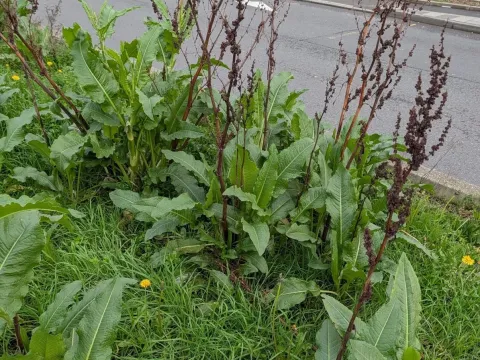
Crested dock
Rumex cristatus
Crested dock (Rumex cristatus) is a perennial herbaceous plant belonging to the Polygonaceae family. In agricultural practices, it is typically sown in early spring as soon as the soil is workable, or in late autumn to ensure early germination when temperatures rise.
What the section contains
Crested dock
Proper seedbed preparation is essential, requiring a fine, weed-free soil texture. Seeds are sown in shallow rows, approximately 1-2 cm deep, to guarantee uniform germination and prevent the seedlings from exhausting their energy reserves before reaching the surface.
Row spacing is generally maintained at 25-30 cm to facilitate mechanical cultivation and ensure adequate aeration for the developing rosettes. Proper plant density is crucial to prevent premature bolting, which reduces the market quality of the foliage.
Seeds maintain high viability for several years if stored in cool, dry conditions. However, professional growers prefer using fresh seeds to maximize the speed and uniformity of crop establishment.
Thinning may be necessary if the sowing density is too high. Removing weak or crowded seedlings ensures that the remaining plants have sufficient space to develop strong root systems and productive leaf rosettes.
The species thrives in fertile, moisture-retentive soils, particularly loams and well-cultivated peaty soils. It is sensitive to soil reaction, performing best within a slightly acidic to neutral pH range (5.0–6.5).
While the plant is relatively hardy, it performs best in full sunlight. In regions with very intense heat, partial shade can help maintain leaf succulence and delay the transition to the flowering stage.
Water availability is the primary factor limiting growth. Consistent moisture levels are required; however, the soil must be well-drained, as the species does not tolerate stagnant water which can lead to root rot.
Crested dock exhibits excellent cold tolerance, allowing it to survive harsh winters in temperate climates. It is among the first plants to initiate growth in the spring, providing valuable early-season forage or greens.
Nutrient requirements are highest during the active leaf-production phase. Nitrogen-based fertilizers are applied to encourage vegetative growth, while phosphorus and potassium are essential for long-term plant health and winter survival.
Major pests affecting this crop include various species of dock beetles (Gastrophysa spp.) and aphids. These insects can cause severe defoliation if left uncontrolled during peak infestation periods.
Fungal diseases, such as downy mildew and rust, are frequent in humid environments or where air circulation is restricted. Managing plant density and avoiding overhead irrigation during cloudy periods can reduce the risk of outbreaks.
Root-knot nematodes can occasionally pose a threat in specific soil types, leading to stunted growth. Crop rotation and the use of healthy, disease-free planting material are the primary methods of prevention.
Sanitation practices, such as removing old plant debris at the end of the season, are critical to interrupt the life cycles of common pathogens and pests that overwinter in the field.
Integrated Pest Management (IPM) strategies, including biological control agents and carefully timed cultural practices, are preferred over synthetic chemical treatments, given the short harvest cycle of the crop.
Harvesting begins when the leaf rosettes reach a commercial size, typically 45-60 days after sowing. Leaves should be harvested while they are still young and tender, cutting them 3-5 cm above the crown.
Selective harvesting is performed multiple times throughout the growing season, allowing for continuous regrowth. Ensuring the plant does not go to seed is vital, as flowering stalks significantly deteriorate the flavor and texture of the leaves.
Post-harvest handling is critical, as the leaves have high respiration rates and wilt quickly. Immediate cooling and high humidity storage are necessary to maintain the quality of the harvested product.
Fertilizer and moisture management following each cutting cycle will promote vigorous regrowth. This practice ensures that the crop maintains high productivity across multiple harvests in a single season.
The final harvest should be timed at least a month before the first hard frost to allow the plant to accumulate sufficient energy reserves in its roots for a successful winter dormancy and a strong spring start.