
Coccoloba pubescens
Coccoloba pubescens
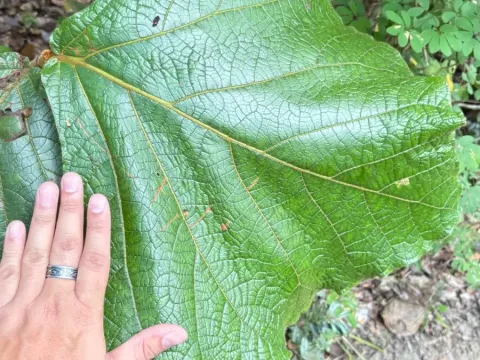
Coccoloba pubescens is a robust woody species belonging to the Polygonaceae family, native to the tropical regions of Central and South America. This plant is widely recognized for its exceptionally large, veined, and pubescent leaves that add a structural element to its habitat.
What the section contains
Coccoloba pubescens
This species thrives in high-humidity tropical climates where temperatures remain consistently warm throughout the year. It does not possess any cold tolerance, making it suitable only for regions without frost or protected greenhouse environments.
Cultivation requires deep, well-draining, and nutrient-rich soil. The plant demands a consistent moisture level but will suffer quickly if the soil becomes waterlogged, which can lead to root degradation and stunted growth.
Regarding light conditions, Coccoloba pubescens prefers bright, filtered sunlight. While it can adapt to lower light levels, its growth rate and leaf coloration are significantly better in environments that mimic the dappled light of the forest understory.
Economically and horticulturally, this plant is primarily cultivated for its aesthetic appeal in botanical gardens and private tropical landscapes. It is valued as a statement plant due to its unique architectural foliage and overall impressive stature.
Spider mites are the most common pest challenge for this plant, especially when grown in environments with low air humidity. They thrive on the underside of leaves, causing yellowing and loss of foliage vitality.
Root rot is a major threat linked to improper watering practices. Over-watering creates an anaerobic environment in the soil, which encourages fungal pathogens to attack the root system, often leading to rapid plant decline.
Powdery mildew is a potential threat when air circulation is poor and humidity remains stagnant. It typically appears as a powdery white substance on the leaves, requiring improved airflow and antifungal treatments to resolve.
Scale insects frequently target the woody stems and veins of the leaves. These pests are difficult to remove due to their protective coverings, necessitating the use of targeted horticultural oils or systemic insecticides.
Leaf spot diseases, caused by various fungal pathogens, may occur if water lingers on the foliage for extended periods. Avoiding overhead watering is a key preventative measure to maintain healthy, pristine leaves.