
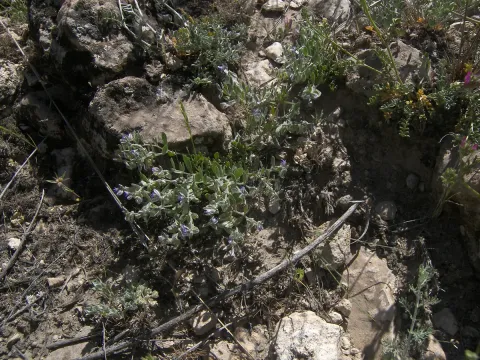
Polygala hohenackeriana
Polygala hohenackeriana
Polygala hohenackeriana is a perennial herbaceous plant belonging to the Polygalaceae family. Native to mountainous and steppe regions, this species has evolved to thrive in environments with distinct seasonal cycles and varying degrees of moisture availability.
What the section contains
Polygala hohenackeriana
Botanically, the plant is characterized by a robust taproot system that facilitates survival in nutrient-poor, rocky substrates. Its foliage is adapted to conserve moisture, featuring lanceolate leaves that help maintain physiological homeostasis during hot periods.
Soil requirements for this crop are strict: well-drained, porous soils with a neutral or slightly alkaline pH are mandatory to prevent root decay. Compacted, heavy clay soils are unsuitable as they impede the growth of the root system and reduce active metabolic processes.
In terms of climate, the species demonstrates a high affinity for full solar exposure, which is necessary for the optimal accumulation of active compounds. Regions with moderate temperature fluctuations and low summer humidity provide the best conditions for its development.
The economic value of this species lies in its secondary metabolites, particularly saponins used in pharmaceutical applications. It serves as a specialty crop for industries focusing on natural health products and botanical medicine.
Root rot pathogens represent the most significant threat to the crop, especially in improperly managed soils. Implementation of strict irrigation protocols is essential to prevent water saturation and subsequent infection of the root zone.
Common agricultural pests such as beetles and lepidopteran larvae may cause damage to the leaves and stems during early growth stages. Integrated pest management strategies, focusing on biological controls, are recommended for maintaining plant health.
Powdery mildew can occasionally affect plants under conditions of poor air circulation and high atmospheric humidity. Thinning out the stands and managing plant spacing are critical practices to mitigate the risks of fungal proliferation.
Soil-borne insects, including wireworms, pose a potential risk to young seedlings and established plants. Pre-sowing field sanitation and proper seedbed preparation help reduce the impact of these pests on crop establishment.
Maintaining a balanced ecosystem through proper field hygiene is crucial for preventing the spread of diseases. Farmers should prioritize regular inspections and the use of targeted treatments that align with organic and sustainable farming standards.