
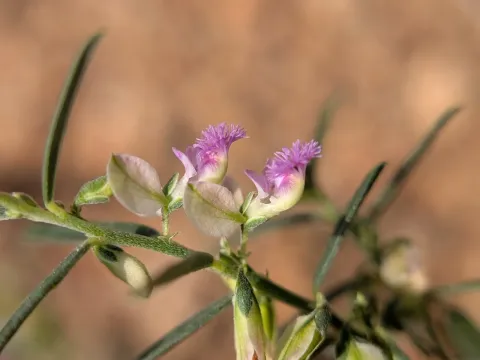
Polygala erioptera
Polygala erioptera
Polygala erioptera, a member of the Polygalaceae family, is an annual herbaceous plant that is increasingly recognized for its utility in various agricultural systems. Successful cultivation begins with the selection of a suitable site that receives ample sunlight throughout the day.
What the section contains
Polygala erioptera
Sowing should be carried out once soil temperatures have reached an optimal range of 15 to 20 degrees Celsius. This ensures that the seeds germinate uniformly and the emerging seedlings do not suffer from cold stress, which can severely hinder early development.
Seeds should be sown at a shallow depth, ideally between 1 and 2 centimeters, to allow for optimal light exposure during the germination phase. Covering the seeds with a light layer of soil helps maintain the necessary moisture levels for successful seedling emergence.
Row spacing is a critical factor for managing the crop; a distance of 30 to 45 centimeters between rows is recommended. This spacing facilitates weed management and allows for air circulation, which is vital for preventing the build-up of excess humidity around the plant base.
Early-stage irrigation is often necessary if rainfall is scarce during the sowing phase. Providing a light, consistent supply of water encourages the development of a robust taproot system, which is essential for the plant to thrive in later stages of the vegetative cycle.
This plant is notably adapted to semi-arid climates, demonstrating a remarkable resilience to drought conditions. It performs best in well-drained, sandy or loamy soils where water does not accumulate, as constant saturation can lead to root degradation.
Polygala erioptera is a light-demanding species that struggles in shaded environments. Ensuring that the crop has unobstructed access to sunlight is essential for maximizing photosynthesis, which in turn drives the production of biomass and secondary metabolites.
The plant thrives in warm temperature ranges, typically between 20 and 35 degrees Celsius. While it can withstand periods of high heat, it remains sensitive to frost, which marks the natural end of its annual life cycle in temperate cultivation zones.
Regarding soil chemistry, the plant prefers neutral to slightly alkaline pH levels. Soils with high organic content are beneficial, but the plant is known for its ability to survive in relatively nutrient-poor soils, making it a viable candidate for sustainable land use.
During the peak vegetative stage, moisture requirements are moderate. While the species is drought-tolerant, supplemental irrigation during prolonged dry spells can significantly enhance overall growth rates and yield quality for commercial purposes.
The yield of Polygala erioptera is primarily measured by the total weight of the aerial biomass harvested during the peak flowering stage. Proper field management, including timely weeding and nutrient application, can lead to substantial biomass production per hectare.
Productivity is closely linked to the length of the growing season and the intensity of solar radiation. In optimal environmental conditions, the plant can produce multiple flushes of growth, allowing for periodic harvests rather than a single, one-time gathering.
For those focused on seed production, allowing the plants to progress past the flowering stage is necessary. Seed pods should be monitored carefully, as they tend to open upon maturity, which can lead to significant yield losses if harvest is delayed.
Secondary yield metrics include the quality of medicinal compounds extracted from the plant. Agronomic practices such as avoiding chemical pesticides ensure that the harvest meets the high standards required for pharmaceutical and botanical industries.
Post-harvest handling is critical to maintaining yield quality. Rapid processing and drying of the biomass prevent the degradation of heat-sensitive compounds, ensuring that the harvested material retains its pharmacological potency and commercial value.
Polygala erioptera is susceptible to several common agricultural pests, with aphids being the most prevalent. These insects feed on the succulent parts of the plant, often leading to stunted growth and the transmission of viral diseases if not addressed early.
Fungal pathogens, particularly those causing root and crown rot, represent the most significant threat to crop health. These diseases are almost exclusively associated with improper irrigation practices or poor soil drainage, necessitating careful water management.
Weed competition is a persistent challenge, especially during the first few weeks of growth. Weeds compete for essential nutrients and moisture, often outperforming the crop in its juvenile phase; therefore, diligent mechanical cultivation is required.
Leaf-eating larvae can also cause damage to the foliage, especially in warmer months. Integrated pest management strategies, such as promoting beneficial predatory insects, can help maintain pest populations below the economic injury level without harsh chemicals.
- Regular inspection of the crop canopy for signs of infestation.
- Improving soil drainage through raised bed cultivation if necessary.
- Implementing crop rotation to break pest life cycles.
- Removing debris that may harbor fungal pathogens.
- Applying bio-based solutions for pest control as a primary measure.
Harvesting should occur when the plants are at their most vigorous stage, usually during full bloom, to capture the highest concentration of essential oils and active components. Utilizing sharp, clean harvesting tools is essential to prevent tissue damage.
The timing of the harvest during the day is also important; mid-morning, once dew has evaporated, is ideal. This ensures that the biomass is dry, which reduces the energy required for the subsequent drying process and prevents fungal spoilage.
Once harvested, the material should be spread in a thin layer in a well-ventilated, shaded area. This slow-drying process is vital for preserving the chemical integrity of the plant, as direct, intense heat can cause volatile compounds to dissipate.
Storage of the finished product requires cool, dry conditions with adequate air exchange to prevent the development of mold. Packaging in breathable containers, such as jute bags or cardboard boxes, helps maintain quality over extended storage periods.
Quality control during storage includes periodic checks for pests and moisture. By maintaining strict control over environmental variables, growers can ensure that the stored harvest remains in top condition until it is ready for transport to the market.