
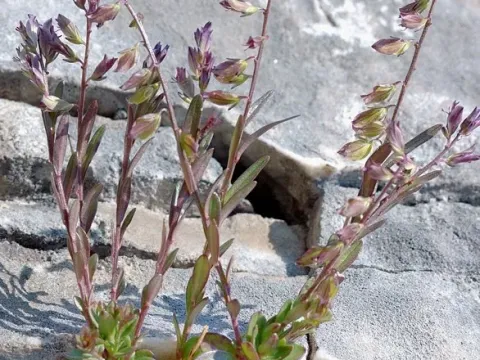
Polygala carueliana
Polygala carueliana
Polygala carueliana is a perennial herbaceous plant belonging to the Polygalaceae family. Successful cultivation begins with early spring sowing, once soil temperatures consistently reach 10-12 degrees Celsius to support seed germination.
What the section contains
Polygala carueliana
The seeds often require a period of stratification to break dormancy. Sowing depth should be kept shallow, typically around 1-2 centimeters, to ensure the small seeds are not buried too deep to emerge successfully.
Maintaining adequate soil moisture during the first few weeks after sowing is crucial. The plant is particularly sensitive to dry conditions during its initial growth phase before the root system becomes established.
For commercial production, precise spacing is recommended to reduce plant-to-plant competition. Keeping rows 30 to 45 centimeters apart allows for efficient weeding and air circulation throughout the crop canopy.
Selecting a location with consistent light exposure is essential, as the species does not perform well in shade. Establishing a clean seedbed free of perennial weeds will significantly improve overall crop vigor.
This species thrives in well-draining, light loamy or sandy soils with a neutral to slightly acidic pH level. Avoiding compacted or waterlogged soils is vital to prevent root rot, which is the primary challenge in heavy clay environments.
Full sun is required for optimal growth and the development of secondary metabolites. In regions with intense midday heat, some light afternoon shade may be beneficial, but generally, the plant favors open, airy sites.
While the plant shows moderate drought tolerance once mature, supplemental irrigation during prolonged dry spells is highly recommended to maintain yields, especially in the second year of cultivation.
Temperature stability is important. Although the plant is hardy, large temperature fluctuations during the spring can retard early development, making it important to protect the crop from late frost events.
Soil nutrient levels should be managed through balanced organic or mineral fertilization. Phosphorous and potassium levels are particularly important for root development and overall plant endurance throughout the growing season.
Yields of Polygala carueliana are cumulative, reaching peak productivity in the second and third years. Proper management during the first year is an investment in the long-term harvest of the perennial stand.
Harvesting for biomass is typically timed with the full flowering phase. By timing the harvest correctly, growers ensure the highest concentration of active ingredients in the aerial parts of the plant.
Yields can be improved through systematic weed control and strategic fertilization. A well-tended field typically provides a consistent supply of quality raw material for the pharmaceutical and nutraceutical sectors.
Pollination plays a role in seed production, which is a key secondary income stream for growers. Ensuring the presence of local pollinators or beekeeping nearby can enhance the output of quality seeds for future planting.
While the market for this species is specialized, the high demand for consistent quality raw material makes it a profitable crop when managed with strict adherence to agricultural standards.
The primary threats include root rot and soil-borne fungal pathogens, which thrive in poorly drained environments. Ensuring excellent drainage and avoiding over-irrigation are the best preventative measures.
Pests such as aphids and spider mites can attack the crop, particularly during warmer, drier periods. Integrated Pest Management (IPM) practices, including the use of biological controls, are highly recommended.
Powdery mildew may develop if air circulation is poor, particularly in dense plantings. Regular thinning and removal of infected foliage are essential to maintaining a healthy crop environment throughout the season.
Invasive weed species can quickly outcompete the young seedlings. Early-season mechanical weeding or mulching is often required to keep the stand clean and reduce the pressure from competing vegetation.
Vigilance and regular field inspections are necessary to identify early signs of nutrient deficiency or pest infestations, allowing for immediate intervention before the problem spreads across the entire field.
Harvesting of the aerial biomass should occur during dry, sunny weather to minimize moisture content at the time of cutting. This helps prevent rapid spoilage of the harvested material during transport.
Post-harvest, the material should be spread in thin layers in a shaded, well-ventilated drying area. Maintaining temperatures below 45 degrees Celsius ensures the preservation of essential biochemical compounds.
For root harvests, digging should be performed in the late autumn when the plant has entered dormancy. This timing ensures that the maximum concentration of nutrients is stored within the roots.
Post-harvest processing involves thorough cleaning to remove soil particles and debris. Quality control at this stage is vital, as foreign matter can significantly decrease the market value of the crop.
Proper storage in breathable containers is necessary for the final product. Protecting the dried crop from humidity and light will preserve its quality, color, and aroma until it reaches the end user.