
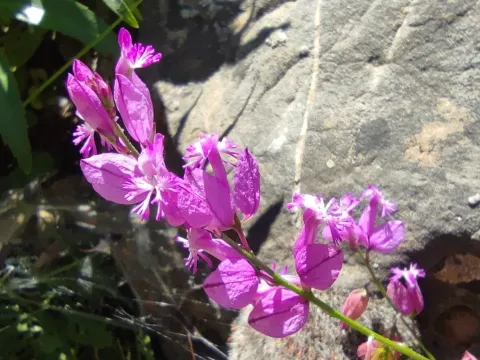
Polygala boissieri
Polygala boissieri
Polygala boissieri is a perennial herbaceous plant belonging to the Polygalaceae family. It is recognized for its adaptation to specific ecological niches, typically found in high-altitude rocky terrains where the soil composition is rich in limestone.
What the section contains
Polygala boissieri
Botanically, the species is characterized by a specialized root system capable of navigating rocky substrates to reach deep water sources. This makes the plant remarkably resilient to the seasonal droughts that occur in its natural habitats.
Successful cultivation requires well-drained, porous soils with a neutral to slightly alkaline pH. Achieving the right soil structure is critical, as heavy or clay-based soils can cause root rot, significantly reducing the crop's vitality.
Regarding climate, this species thrives under high solar radiation. Full sun exposure is essential for the healthy development of its stems and for maximizing the biosynthesis of pharmacologically active compounds, such as triterpene saponins.
In terms of agricultural utility, the crop is gaining interest as a source of raw material for medicinal preparations. The unique chemical profile of its roots allows for extraction of substances used in respiratory and anti-inflammatory drug manufacturing.
The primary threats to Polygala boissieri in an agricultural setting include soil-borne pathogens. Fungal infections, particularly root rot, are commonly triggered by excessive soil moisture and inadequate drainage during wet seasons.
Insect pests, such as aphids and leaf-eating beetles, represent another significant threat. Infestations can weaken the plants and reduce the overall quality of the harvested biomass, necessitating careful pest monitoring strategies.
Poor agricultural practices, such as excessive fertilization or over-density of planting, create microclimates conducive to mildew and other fungal outbreaks. Maintaining appropriate spacing is essential for air circulation.
Invasive weeds compete for nutrients and light, posing a risk during the plant's establishment phase. Implementing integrated weed management programs is necessary to ensure the crop attains full development without competition.
Effective crop management should prioritize preventative measures, such as soil aeration and early detection. By maintaining a clean and well-drained environment, farmers can significantly mitigate the impact of common botanical threats.