
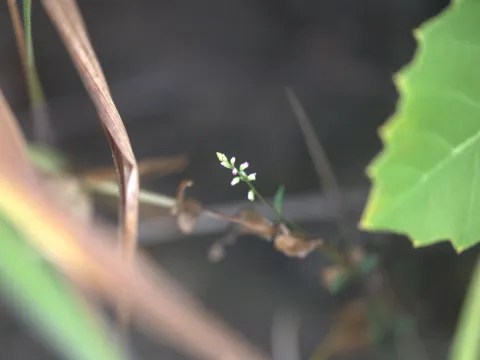
Polygala galioides
Polygala galioides
Polygala galioides is a perennial plant typically propagated via seeds, which require specific conditions to germinate successfully. Sowing is best performed in late autumn for natural stratification or in early spring using pre-chilled seeds to ensure uniform emergence.
What the section contains
Polygala galioides
The seeds should be sown shallowly, at a depth of about 0.5 to 1 centimeter, as they require a certain amount of light and minimal soil cover to sprout effectively. Keeping the seedbed consistently moist without waterlogging is essential during the germination phase.
Row spacing should be maintained at 30-40 centimeters to provide adequate air circulation, which helps reduce the risk of humidity-related pathogens in dense plantings. Proper spacing also facilitates weed management during the plant's slower growth stages.
In the first year, Polygala galioides focuses on developing its root system and a low basal rosette, so manual weeding is highly recommended to prevent the crop from being choked by faster-growing vegetation.
Starting the plants in greenhouses or nurseries before transplanting into the field can improve the survival rate, especially in regions with unpredictable spring weather conditions or heavy rainfall.
This species thrives in well-drained, slightly acidic to neutral soils rich in organic matter. Sandy loam or loam-textured soils are ideal, as they prevent the water stagnation that can quickly lead to root rot in this plant.
Polygala galioides requires full sun to partial shade for optimal development. While it is adaptable, increased sunlight exposure generally promotes higher production of secondary metabolites in the aerial parts of the plant.
The plant demonstrates moderate temperature tolerance but performs best in temperate climates with average daytime temperatures between 18 and 25 degrees Celsius. It can tolerate short periods of dryness but thrives when soil moisture is kept relatively constant.
Aeration of the soil is crucial for the health of the root system; thus, avoiding soil compaction is a primary management task. Adding organic amendments like compost or well-rotted manure during pre-planting preparation helps improve soil structure and nutrient availability.
Mulching around the base of the plants can help retain soil moisture during hotter months and protect the roots from extreme temperature fluctuations, contributing to the long-term viability of the crop.
Fungal pathogens are the most significant threat to Polygala galioides, particularly when the crop is exposed to excessive rain or inadequate drainage. Root rot and damping-off can rapidly decimate young seedlings if moisture levels are not managed.
Powdery mildew can occasionally affect the foliage, especially in stagnant or poorly ventilated conditions. Prevention through proper spacing and moisture control is more effective than corrective chemical treatments.
Common agricultural pests such as aphids and spider mites can infest the plants, causing structural damage and potentially transmitting viral diseases. Early monitoring and the use of insecticidal soaps or biological controls are recommended.
Slugs and snails can also cause damage to the succulent leaves, particularly during the early growth season. Installing simple physical barriers or using organic baits can help protect the crop from these mollusks.
Maintaining a strict crop rotation schedule and removing debris from the field at the end of the season are effective cultural practices to reduce the carry-over of pests and diseases for the following year.
The aerial parts of the plant are harvested during the peak flowering phase, which is when the concentration of medicinal compounds is at its highest. This timing is critical to ensure the quality of the raw material produced.
Cutting the stems roughly 5-10 centimeters above the soil level allows for a healthy recovery of the perennial plant. Harvesting should be performed on a dry day, after the morning dew has evaporated, to prevent mold development during the drying process.
Post-harvest processing involves drying the plant material in a shaded, well-ventilated area. Using racks to ensure even airflow helps preserve the plant's essential oils and chemical constituents by preventing overheating or uneven drying.
Once completely dry, the material should be sorted, cleaned of impurities, and stored in breathable containers, such as paper or cloth bags. This ensures the longevity and pharmacological integrity of the product.
Root harvesting is only performed in late autumn once the plant has reached maturity, typically after 3-4 years. Roots should be thoroughly washed, sliced, and dried at low temperatures to avoid damaging the active botanical substances.