
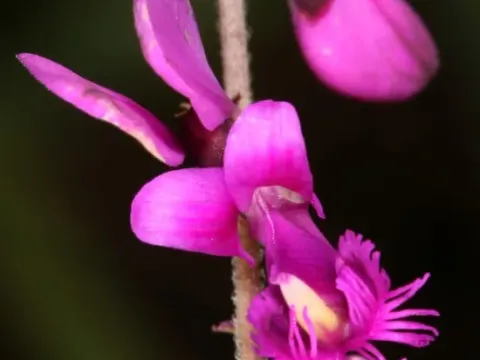
Polygala butyracea
Polygala butyracea
Sowing Polygala butyracea should take place when the soil temperature has consistently increased to ensure optimal germination. This crop is sensitive to cold, making spring sowing in stable weather conditions essential for successful establishment.
What the section contains
Polygala butyracea
The seeds should be sown at a shallow depth, as deep burial significantly hinders emergence. Precision drilling is recommended to ensure uniform spacing, which allows for better air circulation and light penetration throughout the crop canopy.
Field preparation must focus on creating a fine, weed-free seedbed. Proper leveling of the soil surface ensures that the seeds remain at the correct depth, promoting synchronous emergence across the entire field.
Applying starter fertilizers can enhance early root development, providing the plant with the necessary energy to survive the sensitive seedling phase. This proactive approach helps in establishing a vigorous crop stand.
Immediately after sowing, light soil compaction can improve moisture transfer to the seeds. Maintaining adequate moisture in the topsoil layer during the first few weeks is crucial for a successful crop start.
Polygala butyracea belongs to the Polygalaceae family and is recognized for its potential as a source of industrial oil. Its geographical origins are tied to tropical and subtropical regions, which dictates its preference for specific climatic conditions.
The plant thrives in well-drained, fertile sandy-loam soils. It is particularly intolerant to waterlogging, as stagnant water in the root zone quickly leads to root rot and failure of the crop stand.
A consistent supply of sunlight is a major requirement for the development of oil-rich seeds. Therefore, cultivation in open, sun-exposed fields is preferred, avoiding areas with significant shading from nearby trees or structures.
Effective agrotechnology for this crop includes frequent inter-row cultivation. This practice prevents soil crusting after rainfall and ensures the roots have access to necessary oxygen, promoting faster vegetative growth.
Water management should prioritize consistent, moderate moisture levels. While the plant can withstand short dry spells once established, consistent irrigation during the peak growing phase maximizes both biomass and seed production.
Crop yield is highly dependent on achieving optimal plant density and maintaining a healthy growing environment throughout the season. Successful management translates directly into a higher volume of harvestable seeds.
The quality of the seed, specifically its oil content, is influenced by soil nutrient management. Strategic application of phosphorus and potassium during the flowering phase can significantly improve the final oil yield.
Yield stability is also linked to the plant's ability to resist environmental stressors. Proper crop maintenance helps the plant focus its resources on seed development rather than stress recovery, increasing the harvestable output.
Economic success in farming Polygala butyracea is driven by the market demand for its specialty technical oil. Consistent yield performance makes this crop an attractive option for niche agricultural markets focused on industrial raw materials.
Post-harvest losses can be a significant factor in total yield. Ensuring that the harvesting process occurs at the correct maturity stage is crucial to prevent seed scattering due to natural dehiscence of the seed pods.
The primary threats to this crop include various foliage-feeding insects that target young plants. Early detection through regular field scouting allows for timely interventions, preventing widespread damage during the vegetative stage.
Fungal pathogens often emerge in conditions of high humidity or poor soil drainage. Root-borne diseases are particularly dangerous, as they can cause rapid wilting and the total loss of plant clusters within a short period.
Implementing a robust crop rotation plan is the most effective preventative measure against disease accumulation. Avoiding sites where related species have previously been grown helps to keep the soil pathogen load at manageable levels.
Weed control is essential, especially in the early growth stages when the crop is most vulnerable to competition. Weeds also act as hosts for various pests, so maintaining a clean field is a critical agricultural practice.
Modern integrated pest management strategies, including the use of biological control agents, are increasingly favored for this crop to ensure the final product meets the standards of the cosmetic and industrial sectors.
The harvest should begin as soon as the majority of seed pods reach technical maturity. Careful observation of pod color change is necessary to identify the perfect window for harvesting before natural seed shedding occurs.
Immediately after harvesting, the seeds require rapid cleaning and drying. Bringing the seed moisture content down to safe levels is essential for preventing fungal growth and oxidative degradation during storage.
Gentle transport and handling are required to prevent physical damage to the seeds. The integrity of the outer seed coat is vital to maintaining the quality and stability of the oil stored within.
Storage should be conducted in cool, dry, and well-ventilated facilities. Controlling the temperature is important, as excess heat can lead to the oxidation of the oil components, reducing the quality of the final industrial product.
The final processing of the seeds, including dehulling if necessary, ensures the production of high-quality industrial oil. A disciplined approach to the post-harvest cycle directly affects the profitability and viability of the crop.