
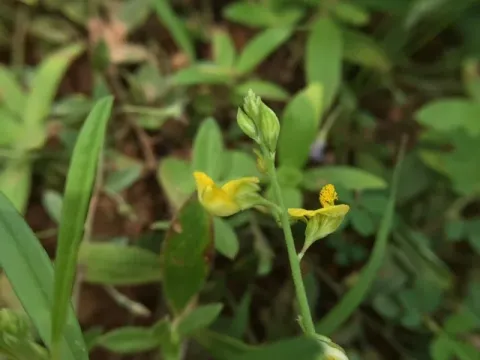
Polygala arvensis
Polygala arvensis
Polygala arvensis is an annual herbaceous plant belonging to the Polygalaceae family. Sowing is typically performed in early spring once soil temperatures reach a stable level, ensuring rapid germination of the small seeds.
What the section contains
Polygala arvensis
The seeds should be sown at a shallow depth of 1-2 centimeters. Achieving uniform planting density is essential for consistent crop development and efficient management of the field area.
Proper field selection is crucial, favoring well-drained, sunny locations. This species thrives in open areas where there is minimal competition from perennial weeds during the early stages of growth.
Farmers should utilize precision sowing equipment to ensure that the spacing between rows facilitates easy mechanical weeding and irrigation, should the need arise during dry spells.
Regular inspections after sowing are necessary to monitor germination rates and to address any potential issues such as crusting or localized water stagnation early on.
This crop prefers light, well-drained sandy or loamy soils. A soil pH ranging from neutral to slightly acidic is optimal for maximizing nutrient uptake and plant health.
Water management is critical. While Polygala arvensis can tolerate short periods of drought, consistent moisture during the vegetative stage is necessary to ensure high biomass production.
The climate should be moderate, characterized by sufficient light exposure and the absence of prolonged frost. Excess humidity in the air can often lead to fungal complications.
Fertilization strategies must be guided by regular soil testing, focusing on maintaining adequate phosphorus and potassium levels to promote strong root systems and high-quality foliage.
Mechanical cultivation of inter-row spaces is a fundamental practice. It not only suppresses weed growth but also improves soil aeration, which is vital for the health of the plant.
The main threats to Polygala arvensis include root rot and leaf spot diseases, especially in environments with poor drainage and excessive moisture levels.
Common agricultural pests such as aphids and leaf-eating beetles may cause significant damage to the crop, requiring vigilant monitoring and integrated pest management strategies.
Biocontrol agents and specific biological fungicides are recommended as a sustainable way to handle pest and disease pressure without compromising the purity of the medicinal yield.
Cultural practices, such as proper crop rotation and maintaining adequate spatial distance between plants, play a vital role in minimizing the spread of pathogens throughout the field.
Timely identification of threats allows for surgical application of control measures, reducing the need for extensive chemical interventions in the field.
The harvest should occur during peak flowering to ensure the maximum concentration of active botanical compounds. Harvesting in the morning after the dew has evaporated is standard practice.
Plants are cut at a predetermined height to minimize soil contamination and to allow for potentially secondary growth if climatic conditions permit multiple harvests.
Drying must be conducted in clean, shaded, and well-ventilated areas or specialized temperature-controlled dryers. Maintaining temperatures below 45 degrees Celsius is crucial.
Once dried to the desired moisture level, the plant material should be carefully sorted to remove any impurities, ensuring high-quality raw material for pharmaceutical or industrial use.
Storage should take place in moisture-resistant containers in a cool, dark place to maintain the integrity of the plant's medicinal properties throughout the shelf-life period.