
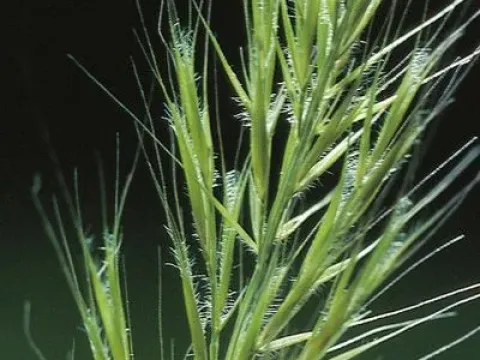
Vulpia ciliata
Vulpia ciliata
Vulpia ciliata is typically sown in autumn to utilize the moisture provided by seasonal rainfall. This timing is critical, as the species relies on cool-season growth to establish a robust root system before the onset of winter dormancy.
What the section contains
Vulpia ciliata
Seed depth should be managed carefully, usually limited to 1-2 centimeters. Because the seeds are small, they require a firm, level seedbed to ensure proper soil-to-seed contact and uniform emergence during the early spring period.
The seeding rate must be adjusted based on seed viability and field conditions. Dense stands can lead to intra-specific competition, which may cause stunted growth during the critical phase of tiller development.
Using precision sowing equipment is recommended to distribute the seeds evenly. Proper spacing allows each plant to access sufficient moisture and nutrients, maximizing the production of biomass for forage or cover crop purposes.
Post-seeding management involves light rolling to firm the soil surface. This prevents excessive evaporation from the germination zone and encourages faster, more synchronized plant development during the initial growth stages.
Belonging to the Poaceae family, Vulpia ciliata is highly adapted to light, sandy, or well-drained soils. Its ability to thrive in nutrient-poor substrates makes it an excellent candidate for stabilizing eroding soil surfaces.
The species is heliophilic and requires full sun exposure to achieve its maximum potential. It is exceptionally resilient to drought, completing its life cycle rapidly before the arrival of extreme summer heat.
Botanically, it is a small, annual grass with thin leaves and a distinct inflorescence. The technical name refers to the ciliated or fringed margins of the glumes, which provide a unique visual characteristic for identification.
It prefers climates with cool, moist winters and dry summers. The plant functions as an ephemeral, rapidly growing during favorable spring conditions to ensure seed production before moisture becomes limited.
In terms of agricultural utility, Vulpia ciliata is often managed as a forage resource in arid climates. It provides early-season greenery that is essential for livestock production when more palatable species are not yet available.
While generally hardy, the species is susceptible to various fungal pathogens, particularly in years with prolonged spring rain. Common issues include rusts and powdery mildew, which can significantly affect plant vitality.
Insects such as grass aphids and stem flies are the primary pests. These organisms can damage the developing panicles, thereby reducing seed viability and the overall harvest potential of the crop.
Crop rotation remains the most effective strategy to mitigate pest and disease pressure. By alternating Vulpia with broadleaf crops, growers can disrupt the lifecycle of host-specific pests that inhabit the soil.
- Monitor fields during the boot stage for aphid presence.
- Ensure adequate fertilization to promote plant vigor.
- Remove volunteer cereals from surrounding areas to limit disease transmission.
Effective management requires regular scouting and timely intervention if infestation thresholds are reached. Utilizing integrated pest management (IPM) practices ensures sustainable production and protects the long-term health of the soil.