
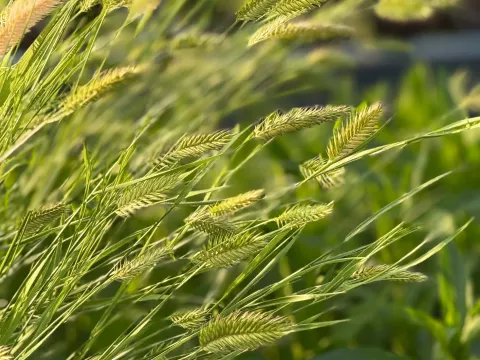
Wangenheimia
Wangenheimia
Wangenheimia is a genus of annual grasses belonging to the Poaceae family. In their natural habitat, these plants propagate through seeds that mature and disperse, remaining in the soil until the environmental conditions trigger germination.
What the section contains

Wangenheimia
For agricultural cultivation, seeds are sown in early spring once soil temperatures reach approximately 8 to 10 degrees Celsius. Planting depth should be strictly controlled, ideally around 2 to 3 centimeters, to ensure consistent moisture absorption.
The spacing between rows is usually maintained at 15 to 20 centimeters. This arrangement promotes healthy tillering while allowing enough space for root development and nutrient uptake from the soil layers.
Proper seedbed preparation is essential to achieve uniform emergence. The soil should be well-leveled and firm, which prevents deep burial of seeds and promotes rapid root establishment in the first weeks.
Rolling the soil immediately after sowing is recommended to improve capillary water movement. This technical step is particularly beneficial in regions prone to dry springs, ensuring a higher plant density.
Wangenheimia is native to the Mediterranean region, making it well-adapted to semi-arid environments. It performs best in well-drained, light-textured soils where water does not accumulate on the surface.
The crop is highly heliotropic and requires full sun exposure to thrive. Shade significantly hampers its development, leading to weak stems and a substantial reduction in total biomass yield during the growing season.
Growth is most active at temperatures between 20 and 28 degrees Celsius. The species has an efficient root system capable of accessing deep soil moisture, which provides some tolerance to temporary drought periods.
While the plant has moderate fertility requirements, nitrogen application can stimulate vegetative growth. However, farmers must exercise caution, as excessive fertilization can increase the risk of lodging.
Soil pH should be kept within the neutral range for optimal nutrient availability. If the soil is too acidic, growth rates drop, making it advisable to perform liming prior to the sowing process.
Common fungal diseases like rust can affect Wangenheimia, especially in humid conditions. Effective management involves crop rotation and ensuring adequate air circulation within the canopy to minimize fungal spread.
Root rot is often a consequence of poor drainage or overwatering. Using certified, fungicide-treated seeds serves as an effective preventive measure against early-stage infections and seedling mortality.
Wireworms represent a significant pest threat as they feed on the roots and underground stems. Integrated pest management, including deep cultivation and targeted insecticide treatments, is necessary for control.
Aphid populations can occasionally spike during the heading phase, potentially damaging the reproductive parts of the plant. Field monitoring and timely insecticide application can prevent yield losses.
Managing weed competition is critical during the establishment phase. Pre-emergence or early post-emergence herbicide applications help ensure the crop reaches canopy closure without interference from unwanted vegetation.
Harvesting Wangenheimia for forage purposes should ideally occur during the booting or early heading stage. This timing captures the highest nutritional value, including protein levels and digestible fiber.
When producing seed, harvest is delayed until the grain reaches the wax maturity stage. Because the seeds are prone to shattering, timing must be precise to avoid significant losses during field operations.
Combine harvesters are typically used for seed collection, with settings adjusted for air flow and drum speed to minimize mechanical damage to the seeds while ensuring high purity of the final product.
For hay production, mowers with crimping attachments are preferred to accelerate drying time. Fast drying in the swath is crucial to prevent the loss of nutrients due to prolonged exposure to sun and humidity.
After collection, seeds must be cleaned of debris and dried to a moisture content of 14 percent or lower. Proper storage in dry, cool conditions ensures high germination rates for future planting cycles.