
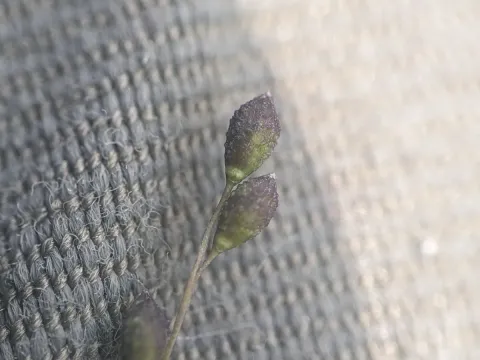
Warty panicgrass
Panicum verrucosum
Warty panicgrass (Panicum verrucosum) is an annual grass species belonging to the Poaceae family. It is known for its distinct botanical structure, specifically the warty or granular texture found on its spikelets, which serves as a key diagnostic feature.
What the section contains
Warty panicgrass
The plant is native to North America, where it thrives in moist, sandy habitats. Its natural range encompasses riverbanks, bogs, and wetlands, where the soil maintains high levels of moisture throughout the active growing season.
Agronomically, it requires well-drained but consistently moist soils to reach its full vegetative potential. While it can adapt to lower nutrient levels, it is highly sensitive to drought conditions, which can lead to premature wilting and reduced seed production.
The morphological development involves the formation of thin, branching stems that may spread across the soil surface. This growth habit makes it less suitable for high-intensity grain harvesting but potentially useful as a soil stabilizer or ground cover in specific ecological zones.
For successful growth, it demands high exposure to sunlight and temperatures ranging from moderate to warm. It is not cold-hardy and completes its life cycle within a single frost-free season, making it dependent on timely germination in the spring.
Warty panicgrass is susceptible to various fungal pathogens that thrive in its preferred moist habitats. Rust diseases and leaf spot fungi are the most common issues, often appearing when humidity levels remain high for extended periods.
Pest pressure from grass-feeding insects, such as aphids and leafhoppers, can cause significant damage to foliage. These pests can transmit viral diseases that stunt plant growth and reduce overall biomass production in the field.
Soil-borne pathogens, including Pythium and Fusarium species, can attack the root system, especially in areas with poor drainage or soil compaction. This leads to uneven stand establishment and loss of vigor among the seedlings.
Weed competition is a major challenge, particularly during the early vegetative phase. Because the plant establishes itself relatively slowly compared to aggressive invasive grasses, proper site preparation and mechanical weeding are essential.
To mitigate these threats, integrated pest management strategies are recommended. This includes the use of certified disease-free seeds and the implementation of cultural practices that promote aeration and prevent stagnant water conditions.