
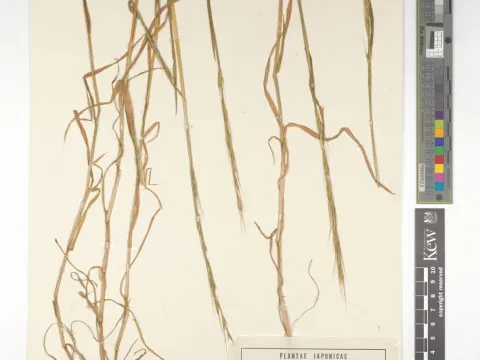
Water couch
Elymus humidorum
Sowing water couch is optimally performed in early spring when soil moisture is at its peak, facilitating rapid seed germination and uniform establishment.
What the section contains
Water couch
The sowing depth must be kept shallow, specifically between 1 and 2 centimeters, to prevent the seeds from struggling to emerge through compacted soil layers.
A seeding rate of 12 to 15 kilograms per hectare is typically sufficient for establishing a productive stand under favorable environmental conditions.
Rolling the soil immediately after planting is a critical agronomic practice, as it ensures optimal contact between the seeds and the damp soil particles.
For mixed stands, it is essential to calibrate the seeding rate according to the competition index of the companion species to maintain a healthy balance.
Elymus humidorum, known as water couch, is a perennial grass belonging to the Poaceae family, specifically adapted to thrive in moist or wetland environments.
This species shows remarkable tolerance to waterlogging, making it an ideal choice for low-lying fields or flood-prone areas where other grasses might perish.
It prefers fertile, loamy soils with a neutral pH level, which provide the necessary nutrients for the development of its extensive and robust root system.
The crop is highly cold-hardy, demonstrating significant resilience during winter months and rapid regrowth as soon as the temperatures rise in early spring.
While it is tolerant of moisture, proper drainage in highly saturated soils can further improve growth rates and prevent the development of root diseases.
The yield potential of water couch is substantial, especially when the crop is provided with adequate nitrogen fertilization to stimulate vigorous vegetative growth.
A well-managed stand can produce multiple cuts per season, providing a steady supply of high-quality forage for livestock during peak demand periods.
Peak production usually occurs within the first few years after establishment, provided that the soil fertility is maintained through periodic nutrient inputs.
Farmers value this crop for its palatability, as it is readily consumed by cattle and sheep when harvested at the appropriate vegetative stage of development.
Seed production requires careful monitoring, as the seeds have a natural tendency to disperse once they reach full maturity, necessitating timely harvesting.
Common fungal diseases such as rust and powdery mildew may affect the foliage, particularly during periods of high humidity and poor air circulation.
Insect pests including aphids and grass-feeding flies can cause localized damage, particularly to the younger, more tender tissues of the emerging plants.
Integrated pest management strategies, including regular field scouting and the use of resistant cultivars, are recommended to maintain crop health.
Maintaining an appropriate stand density helps in reducing the micro-climate humidity within the crop canopy, thereby lowering the risk of disease outbreaks.
Cultural practices, such as timely mowing, act as a primary tool to disrupt the lifecycle of pests and improve the overall resilience of the grass stand.
Harvesting for forage should occur during the late tillering to early heading phase, ensuring a balance between biomass quantity and nutritional protein quality.
Cutting the grass at a height of approximately 7–10 centimeters ensures rapid regrowth for subsequent cuts, preventing damage to the dormant plant crown.
Efficient drying processes after mowing are essential to prevent quality degradation caused by mold or fermentation when the forage is stored for winter.
When harvesting for seed, grain moisture should be monitored closely to avoid losses during the threshing and cleaning processes on the farm.
Post-harvest management, including minimal nitrogen application, helps the plants recover and accumulate sufficient energy reserves before entering winter dormancy.