
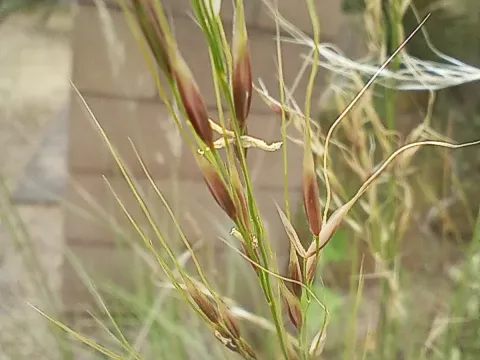
Stipa caudata
Stipa caudata
Sowing Stipa caudata is best performed in early spring when soil temperatures reach 10-12 degrees Celsius. Thorough field preparation, including the complete removal of competing weeds, is essential to ensure successful seedling establishment.
What the section contains
Stipa caudata
The seeds should be sown at a shallow depth of approximately 2-3 centimeters. Burying seeds too deeply inhibits the emergence of delicate seedlings and significantly reduces the overall germination rate of the crop.
Fall seeding is also an option in temperate regions, allowing the seeds to undergo natural stratification over the winter. This practice often results in more vigorous growth and earlier development during the following spring season.
The seeding rate varies based on seed viability but typically ranges from 10 to 15 kilograms per hectare for pasture establishment. Precision seeders help maintain an even distribution of the material across the field.
After sowing, firming the soil with a light roller is highly recommended. This practice improves moisture contact, which is vital for the survival of the seeds in the upper soil layers during drier spring weather.
Stipa caudata belongs to the Poaceae family and is recognized for its exceptional drought tolerance. The plant develops a deep, fibrous root system that allows it to thrive in arid environments where other forage species might fail.
This grass prefers full sun exposure and well-drained soil. It adapts well to various soil types, including sandy loams and rocky substrates, provided there is no standing water to cause root suffocation or decay.
The plant is highly resilient to temperature extremes, remaining dormant throughout harsh winters and enduring intense summer heat without significant loss of viability. It is a robust species that requires minimal maintenance once established.
While the grass is not demanding in terms of nutrient inputs, moderate nitrogen fertilization during the peak vegetative stage can boost green biomass production. However, over-fertilization should be avoided to maintain the plant's natural balance.
In its native range, Stipa caudata is a key component of steppe ecosystems. As a cultivated crop, it serves as a valuable resource for maintaining ground cover and preventing soil erosion in degraded areas.
The primary agricultural use of Stipa caudata is in pasture management, particularly in regions where moisture is a limiting factor for traditional forage crops. It provides reliable grazing options during the early season.
Yields typically range between 5 and 12 centners of hay per hectare, depending on soil fertility and annual precipitation. Consistent management practices, such as controlled grazing, help maintain steady output over many years.
Peak biomass productivity occurs during the first few years after planting. Periodic rejuvenation through strategic mowing can stimulate healthy regrowth and prolong the productive lifespan of the grass stand.
Beyond its forage value, Stipa caudata is widely appreciated in landscaping and ornamental horticulture. Its elegant, feathery appearance adds visual interest to naturalistic garden designs and erosion control projects.
Because the forage quality is moderate, it is often mixed with other legume or grass species to provide a more balanced nutritional profile for livestock, ensuring better intake and digestibility of the final hay product.
The primary threats to Stipa caudata include fungal pathogens like rust, which can proliferate during periods of high humidity. Regular field monitoring is necessary to identify signs of infection before they spread extensively.
Pests such as grass moths and stem-boring insects may cause damage to the developing stalks. Integrated pest management strategies, focusing on early detection, are effective in minimizing potential crop loss without heavy chemical use.
Overgrazing poses a significant risk to the longevity of the grass stand. Excessive pressure from livestock can expose the crown of the plant, weakening its resilience and inviting invasive weed species to colonize the area.
Root rot often occurs if the seeds are planted in poorly drained soil or if the initial seed batch carries seed-borne pathogens. Using high-quality, treated seeds is a standard practice to mitigate these early-stage risks.
Competition from weeds is most severe during the first year of growth. Implementing mechanical weeding and maintaining proper row spacing helps reduce competition, ensuring that the Stipa plants gain the resources needed to mature.