
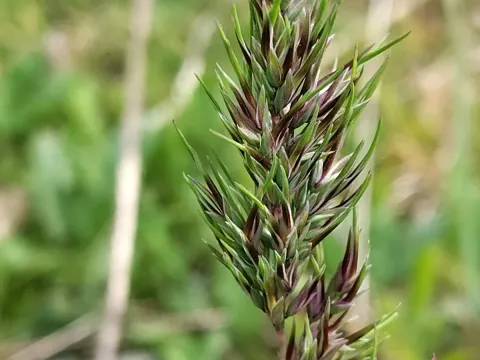
Pearly bluegrass
Poa perligularis
Pearly bluegrass (Poa perligularis) is a resilient perennial grass belonging to the Poaceae family. It is recognized for its ability to form a dense, uniform sward, making it an excellent candidate for permanent pastures and soil conservation projects in various agricultural landscapes.
What the section contains
Pearly bluegrass
The sowing process typically occurs in early spring, as soon as the soil is workable. Given the fine nature of the seeds, selecting the right timing ensures that the plants benefit from the soil's moisture content, which is crucial for early germination and establishing a deep root system before the dry heat of summer.
Preparation of the seedbed is essential for successful cultivation. The land should be finely leveled and firmed to ensure adequate soil-to-seed contact. Since the seeds are small, shallow planting depths of 1–2 centimeters are strictly required to avoid exhausting the seedlings' energy before they reach the surface.
Seeding rates must be adjusted based on the intended use—whether for pasture or hay—and the fertility level of the soil. When used in mixtures with other grasses or legumes, Pearly bluegrass acts as a reliable foundation species, contributing to the overall stability and longevity of the meadow.
Post-sowing compaction using a roller is recommended to maximize emergence rates. This simple yet effective practice prevents the seeds from being washed away and creates an optimal environment for root development, which is vital for the young plants to survive their first competitive season.
This species thrives in well-drained, fertile loams and sandy soils with consistent moisture availability. While it adapts well to varying conditions, it performs optimally in soils with a pH ranging from 6.0 to 7.5, where nutrient uptake is most efficient for leaf and root tissue growth.
Pearly bluegrass is noted for its high cold tolerance, making it suitable for regions with harsh winters. It enters a state of dormancy during extreme cold, effectively protecting its vegetative crown and allowing for rapid, vigorous growth as soon as the spring temperatures begin to rise consistently.
Light exposure is a critical factor for the productivity of this grass. As a sun-loving plant, it requires full or partial sun to maintain its nutrient density and overall plant vigor. Shady environments lead to sparse, thin growth and a decrease in the quality of the fodder produced.
Water management is essential, especially during the establishment phase. Once the root system is well-developed, the plant shows reasonable resistance to temporary drought, though it will naturally prioritize survival over biomass production when environmental stress levels become excessively high.
Fertilization regimes should prioritize nitrogen for vegetative growth and potassium for structural integrity. A balanced approach to soil nutrition ensures that the meadow remains productive over several years, resisting weed encroachment and maintaining a high density of the desired forage species.
Fungal diseases, particularly rusts and powdery mildew, are the primary biological threats to Pearly bluegrass. These pathogens thrive in stagnant, humid air, making the management of sward density a key strategy in preventing widespread infection across the field.
Proper grazing or mowing schedules act as a natural defense mechanism against these threats. By keeping the plant in a state of active growth and avoiding senescence, farmers can prevent the buildup of fungal spores and ensure the nutritional value of the hay or pasture remains high.
Pests such as cereal flies and aphids can sporadically impact fields. These insects damage the plant tissues, leading to stunted growth. Monitoring the population density is essential to decide whether intervention is necessary, with a focus on sustainable agricultural practices to protect the field.
Nematode infestations can occasionally affect root health, leading to localized patches of poor growth. Crop rotation and maintaining optimal soil health are the most effective methods to prevent and manage nematode populations, ensuring the long-term viability of the pasture.
Integrated Pest Management (IPM) is highly recommended for Pearly bluegrass. By combining biological controls, proper fertilization, and meticulous harvest management, producers can minimize the impact of pests and diseases while promoting a healthy, productive ecosystem for their livestock.