
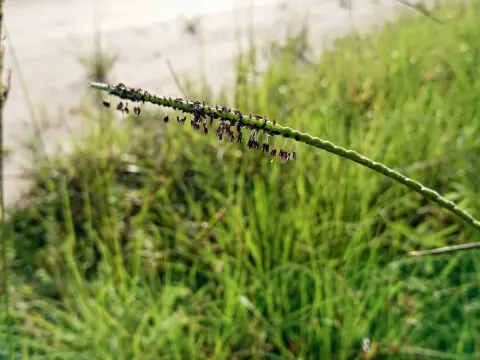
Paspalum saurae
Paspalum saurae
Paspalum saurae belongs to the Poaceae family. This perennial grass is adapted to warm climate zones and requires stable temperatures for successful establishment. Planting should occur after the danger of frost has passed.
What the section contains
Paspalum saurae
The optimal sowing time is late spring when soil temperatures allow for rapid germination. Consistent soil moisture is crucial during the first weeks to support the developing root system of the seedlings.
Seeds should be sown at a shallow depth of 1–2 centimeters, as they require light for efficient germination. Proper seedbed preparation, including firming the soil, ensures good contact between the soil and the seed.
Drilling is the preferred method for uniform emergence, helping the crop establish a strong stand quickly. This density helps the grass effectively compete against weeds during the vulnerable early growth stages.
Seedbed maintenance during the first month is critical. Minimizing weed pressure through selective mowing or mechanical methods allows the crop to dedicate its energy to establishing a deep and resilient root structure.
This grass species thrives in full sun exposure. It is highly adaptable to various soil types, but it performs best in well-drained sandy or light loamy soils where there is no risk of standing water.
Adequate water supply is essential for maximizing biomass production. Although it exhibits moderate drought tolerance, regular irrigation during dry spells significantly boosts its overall yield and quality.
Soil pH levels should remain within the slightly acidic to neutral range (5.5–7.0). Maintaining this chemical balance ensures that the plant can effectively absorb micronutrients required for robust growth.
Fertilization regimes should be focused on nitrogen application following each harvest cycle. This promotes vigorous regrowth and enhances the protein content of the grass for livestock consumption.
Temperature resilience is one of the key strengths of this species. It remains productive during high-heat conditions when other forage grasses might enter dormancy, making it a reliable choice for warm regions.
The biomass yield of Paspalum saurae is impressive under intensive management. Regular harvests combined with proper fertilization ensure a consistent supply of nutritious forage for livestock operations.
Multiple cuts per season are possible, depending on the management intensity. After each harvest, the plant shows excellent recovery, rapidly producing new tillers to replenish the canopy coverage.
When managed as a pasture, the grass provides a reliable source of green forage. It withstands moderate grazing pressure well, maintaining its vigor and soil-covering capacity throughout the growing season.
Hay produced from this grass is highly palatable to cattle. Its high fiber and protein balance makes it a valuable component of winter feed rations, supporting livestock health and productivity.
Productivity is sustained over several years of continuous use. Proper rotation or periodic maintenance of the stand ensures that the fields remain high-yielding for an extended timeframe.
Fungal diseases are the primary threats, especially under conditions of high humidity and poor air circulation. Managing the stand density helps to mitigate the risk of infection by ensuring proper ventilation.
Rust diseases can occur and may affect leaf health. Preventive measures include choosing appropriate planting densities and avoiding over-irrigation that can lead to stagnant water around the root base.
Insects like grass flies or thrips may cause damage during the active growing season. Regular field monitoring is recommended to identify early signs of infestation and prevent widespread damage.
Weed management is vital during the establishment phase. Once the grass creates a dense sward, its natural competitive ability suppresses many common agricultural weeds effectively.
Integrated pest management strategies are preferred. Utilizing biological controls helps maintain the safety of the forage, which is particularly important if the area is used for grazing livestock.
Harvesting for high-quality hay or silage should take place at the early heading stage. This is when the plant's nutritional profile is at its peak, providing the best value for animal feed.
Cutting heights should be maintained at 5–7 centimeters. This height protects the plant's growing points, which is critical for facilitating quick regrowth and maintaining the stand's longevity.
Post-cutting, the forage should be allowed to dry in the windrows until moisture levels reach roughly 15–18%. Proper drying is essential to prevent mold growth during storage.
Baling the harvested material facilitates easier transport and storage. Keeping the bales in a well-ventilated, dry shed preserves the color and nutritional quality of the hay for winter feeding.
For seed production, harvesting is conducted once the seed heads reach full maturity. Careful timing is needed to prevent seed shattering, ensuring the maximum possible harvest of viable planting material.