
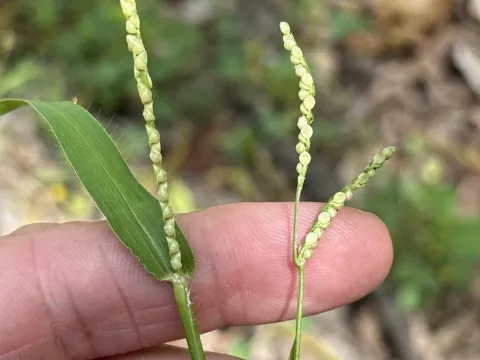
Paspalum setaceum
Paspalum setaceum
Paspalum setaceum is a perennial grass that propagates primarily through seeds. The optimal time for sowing is during late spring, once the soil temperature is sufficiently high to facilitate reliable germination.
What the section contains
Paspalum setaceum
Seeds should be sown at a shallow depth of approximately 1–2 centimeters, ensuring they are pressed firmly into the soil. Maintaining consistent surface moisture is vital during the first few weeks to support seedling establishment.
The sowing density must be high enough to encourage a thick turf, which prevents invasive weeds from outcompeting the grass during its early growth stages. Row planting is generally preferred for easier field maintenance.
Since the grass develops slowly after germination, weed management is essential in the early stages. Keeping the field clear ensures that the young plants receive adequate light and nutrients to thrive.
In regions with fluctuating spring weather, sowing should be delayed until temperatures are consistently warm, as this species is sensitive to cold soil conditions during the initial germination phase.
Paspalum setaceum belongs to the Poaceae family and is native to North and Central America. It is highly adapted to nutrient-poor soils, making it a robust option for land that may not support more demanding crops.
This species thrives in well-drained sandy or loamy soils. It demonstrates a remarkable tolerance to acidic conditions, which is a significant advantage for farmers managing low-pH terrain.
Abundant sunlight is a critical requirement for this grass. It should not be planted in shaded areas, as its growth rate and vigor diminish significantly without full sun exposure.
While the plant is known for its drought resistance, optimal biomass production is achieved with occasional irrigation. However, it requires excellent drainage, as waterlogged soil can lead to root system decay.
The grass is well-adapted to warm climates but is moderately winter-hardy. It requires a long growing season to reach its full productive potential, making it ideal for tropical and subtropical regions.
The yield of Paspalum setaceum is influenced significantly by soil quality and moisture availability. In favorable conditions, the grass can produce multiple cuts per season, providing a consistent supply of biomass.
When used as pasture, the plant provides reliable forage for livestock. It withstands moderate grazing pressure well, which promotes the regrowth of fresh, nutritious foliage throughout the warmer months.
Although it is not classified as an intensive high-yield forage crop, its resilience ensures a stable and predictable harvest in marginal environments where other grasses might fail to survive.
To maximize yields, light nitrogen fertilization during the peak growing season is recommended. This practice supports the development of lush, leafy growth and improves overall feed quality.
Managing the age of the pasture is important; the most productive stands are typically those between 2 and 5 years old. Rotating grazing areas allows the roots to store energy and maintain vigor.
Paspalum setaceum is naturally resistant to many pests that commonly plague agricultural grain crops. Its structural toughness acts as a natural deterrent against various insect herbivores.
Fungal diseases, such as leaf spot or rust, may occur under conditions of extreme humidity or poor air circulation within dense stands. Improving drainage and airflow is the primary management strategy.
Soil-borne pests like wireworms can occasionally affect new seedings, but mature plants are generally unaffected. Monitoring during the establishment phase is recommended to prevent localized damage.
Disease prevention focuses on maintaining healthy growing conditions. Over-fertilization should be avoided, as it can lead to excessively soft growth that is more susceptible to pathogens.
Regular sanitation, such as removing debris after harvest, helps keep the field free of overwintering pathogens, ensuring that the next season's growth starts in a clean environment.
For hay production, the best time to harvest Paspalum setaceum is at the early heading stage. Harvesting at this point balances the quantity of biomass with the nutritional value of the foliage.
The drying process is relatively efficient due to the nature of the plant, which minimizes the time the cut grass needs to remain in the field, reducing the risk of moisture-related spoilage.
Seed harvesting should occur when the spikes reach physiological maturity but before natural shattering occurs. Harvesting during the cooler parts of the day is recommended to prevent seed loss.
Post-harvest management involves clearing the field of any remaining stubble. This simple practice helps rejuvenate the plant, encouraging new growth from the base before the end of the season.
Proper storage of the harvested hay is essential. Keeping it in a dry, well-ventilated area ensures that the nutritional quality is preserved for livestock use throughout the winter months.