
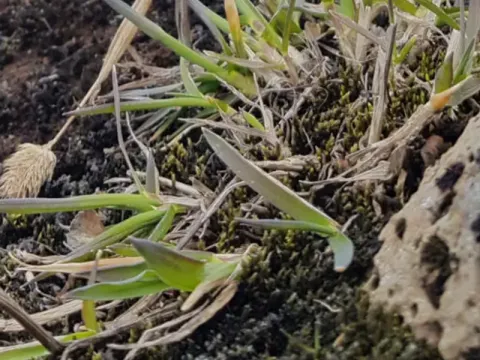
Littlehead timothy
Phleum parviceps
Littlehead timothy (Phleum parviceps) is a perennial grass species utilized primarily in pasture and hay mixtures. Sowing is best carried out in early spring, allowing the seeds to germinate when soil moisture is at its peak.
What the section contains
Littlehead timothy
The small size of the seeds requires a very shallow sowing depth, typically not exceeding 1–2 centimeters. Using specialized grass seed drills helps ensure uniform distribution across the field.
A sowing rate of 10–12 kg/ha is standard for pure stands, though this can be reduced when mixing with legumes like clover. Mixing helps optimize the nitrogen-fixing capacity of the stand.
Rolling the field immediately after sowing is a critical step in the agrotechnical process. It ensures consistent soil-to-seed contact, which promotes uniform germination across the field.
Proper field preparation should include weed removal to ensure the grass seedlings are not outcompeted in their vulnerable early growth stages.
This species thrives in cool, temperate climates with sufficient rainfall. It is highly valued for its winter hardiness, making it suitable for regions that experience severe frost.
The soil should ideally be fertile, well-draining, and rich in organic matter. Loamy soils are generally considered the best medium for supporting the root system of Phleum parviceps.
While the crop is relatively moisture-loving, it does not tolerate waterlogging. If drainage is poor, the risk of root rot increases, significantly reducing the lifespan of the stand.
Soil pH should be managed within the range of 6.0 to 7.0 for optimal nutrient availability. Regular soil testing is recommended to determine the exact needs for lime or fertilizer applications.
Nitrogen is the most important nutrient for leafy growth. Splitting nitrogen applications between early spring and mid-summer can sustain biomass production throughout the season.
The productivity of littlehead timothy is characterized by high-quality regrowth. It responds well to rotational grazing systems where livestock are moved to prevent overgrazing.
For hay production, cutting should occur during the boot to early heading stage. This timing captures the highest levels of crude protein and digestible energy before the plant produces seeds.
Yield varies based on soil fertility and moisture levels, but with proper management, two to three cuts per season can be achieved in irrigated areas.
When used in pasture, the grass is highly palatable to cattle and sheep. Its fine texture and nutritional profile make it a premium component of livestock rations.
The longevity of a productive stand depends on avoiding overgrazing and allowing the plant to recover energy reserves after each harvest cycle.
Fungal diseases, specifically leaf rusts, can become problematic during wet, humid weather. Maintaining healthy, non-crowded stands is the best cultural control method.
Insects like the frit fly can damage the developing stems. Monitoring the population levels and, if necessary, using integrated pest management strategies are essential for crop protection.
Weed encroachment is a primary threat, particularly in the first year of establishment. Once the stand is fully established, it forms a dense cover that naturally suppresses most broad-leaved weeds.
Prolonged drought is a major environmental stressor that may stunt growth. In areas prone to summer dry spells, moisture conservation techniques are vital for maintaining yields.
Overgrazing during the autumn period must be avoided to ensure that the plants enter the winter dormancy period with sufficient stored root carbohydrates.