
Lolium mairei
Lolium mairei
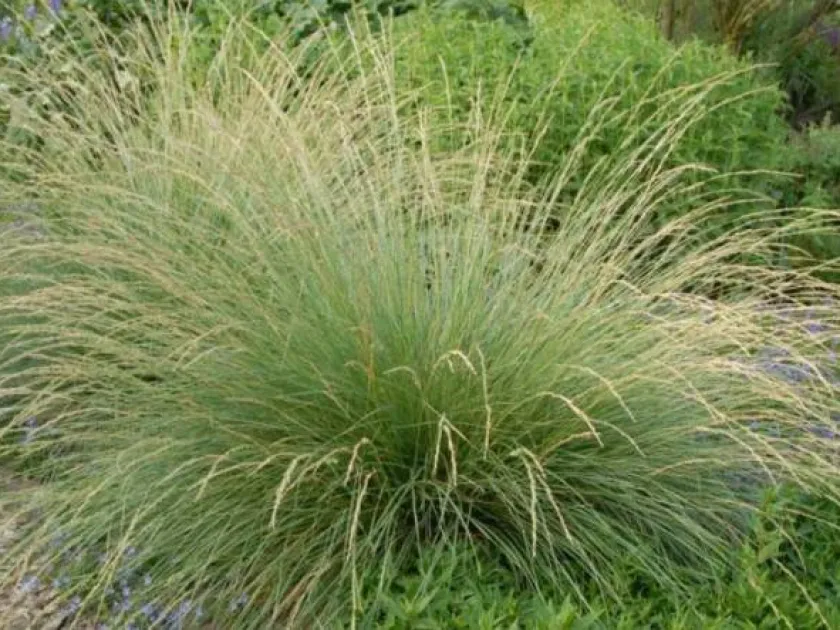
Description
Sowing dates
Lolium mairei is a perennial grass species belonging to the Poaceae family. This crop is a valuable member of the ryegrass genus and is widely used in seeded pastures to improve the productivity of agricultural lands.
In regions with temperate climates, sowing Lolium mairei is recommended early in the spring as soon as the soil warms up to 5–8 degrees Celsius. This ensures optimal use of spring moisture for the development of a robust root system.
Late-summer or early-autumn sowing is also possible, allowing the plants to establish themselves before the onset of persistent frosts. With this approach, the grass stand has enough time to develop and survive the winter successfully, ensuring an early harvest in the following season.
The seeding rate depends on soil type and the intended use; thinner stands are often used for hay production. Ensuring high-quality seed placement at a depth of 1–2 centimeters is critical for achieving uniform and vigorous germination.
Cross-seeding methods are frequently employed to improve the density of the stand, which helps suppress weed competition. The crop is characterized by high germination energy, allowing it to quickly colonize the field after planting.
Growing requirements
The plant has moderate growth requirements, although fertile soils are necessary to realize its full yield potential. Loamy and clay soils with sufficient humus content and a neutral pH level are preferred for optimal growth.
Lolium mairei exhibits relative drought tolerance compared to other ryegrass species, but it requires regular moisture to produce high biomass. During periods of drought, shoot growth may slow down, which reduces the overall nutritional value of the forage.
Sufficient solar radiation is essential, as Lolium mairei does not tolerate heavy shading within dense stands. The plant responds well to nitrogen fertilizers, which stimulate intensive tillering and the accumulation of vegetative biomass.
The optimal temperature range for active growth is between 15 and 25 degrees Celsius. Under extreme heat and lack of irrigation, the plant may enter a state of forced dormancy until weather conditions improve.
Agronomic requirements include regular mowing or controlled grazing, which prevents the stems from becoming too coarse. Proper management of the stand maintains productive longevity for 4–6 years without the need for reseeding.
Yield
The agricultural use of Lolium mairei is primarily focused on producing high-quality hay and green fodder for livestock. The crop is highly valued for its high digestibility of nutrients and balanced chemical composition.
When mineral nutrition is managed correctly, the yield of green mass can range from 30 to 50 tons per hectare over several cutting cycles. Exact figures depend heavily on soil fertility and the level of moisture available during the growing season.
The nutritional value of Lolium mairei dry matter is comparable to other high-quality grasses, making it an excellent component for silage mixtures. Its sugar content facilitates effective fermentation during the ensiling process.
Using the crop in pasture mixtures provides livestock with high-quality fodder that regrows quickly after grazing. Due to its high tillering intensity, the grass stand is resistant to moderate trampling by cattle.
The seed productivity of the species is also quite high, allowing farms to become self-sufficient in seed production. Timely harvesting of seed crops ensures high-quality seeds with excellent germination rates.
Main diseases and pests
Major biological threats to this crop include fungal diseases that develop under conditions of high air humidity. Rust and powdery mildew are among the most frequent pathogens that affect the plant's foliage.
Pests such as cereal flies and stem fleas can cause significant damage to young crops. During periods of heavy pest outbreaks, recommended protective measures include the application of approved insecticides.
Weed infestation by rhizomatous weeds can negatively impact yields, as they compete with the ryegrass for essential nutrients. Effective control involves thorough land preparation and agronomic measures prior to sowing.
Monitoring the depth of groundwater is crucial, as waterlogging leads to root rot and weak plant development. Proper soil drainage is a vital factor in preventing these pathological processes.
Adhering to crop rotation and avoiding monoculture significantly reduces the risk of pathogen accumulation in the soil. Regular monitoring of the field allows for early detection of infestation spots and helps minimize yield losses.
Harvesting
Harvesting for hay is recommended at the early heading phase when the plant contains the highest concentration of nutrients. Delaying the harvest leads to a sharp decline in forage digestibility due to the accumulation of fiber and lignin.
With multiple cuts, the mowing height should be maintained at 5–7 centimeters to stimulate the regrowth of side shoots. Mowing too low can weaken the plants and slow their recovery after the harvest.
Modern tedding methods are often used to dry the hay, allowing for quick moisture reduction to 15–17%. This preserves the color and aroma of the forage while preventing mold during storage in stacks or barns.
Seed harvesting is performed when the lower parts of the inflorescences turn brown, which prevents grain shedding during transport. Harvesters with appropriate settings are used to ensure gentle threshing of the seed material.
Post-harvest processing includes cleaning and moisture adjustment to ensure the long-term viability of the seed stock. A well-organized harvesting process guarantees the high profitability of the crop for the farm.