
Lolium-like wheatgrass
Elymus lolioides
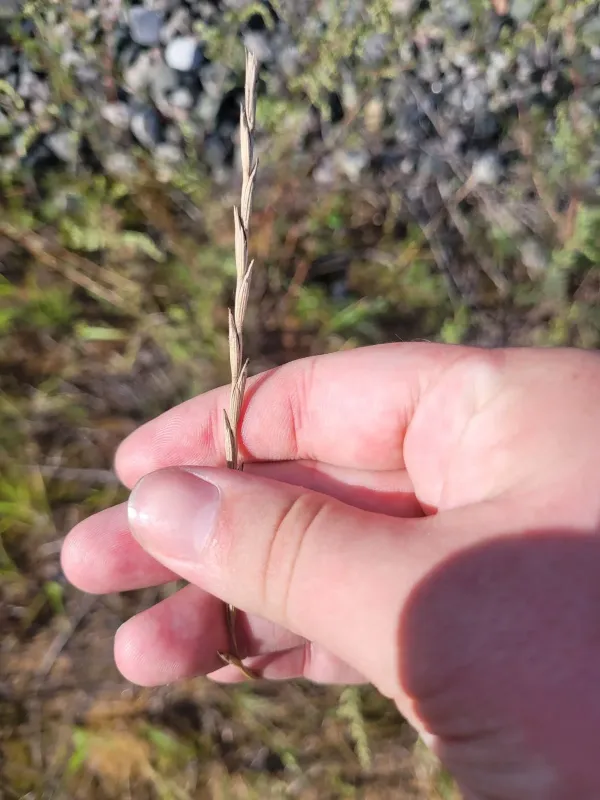
Description
Sowing dates
Lolium-like wheatgrass (Elymus lolioides) is a member of the Poaceae family, widely recognized for its robust nature and suitability as a long-term perennial forage crop.
The optimal sowing period occurs in early spring, once the soil has warmed sufficiently to allow for uniform germination across the field.
Seed placement should be carefully controlled, with a recommended depth of 2 to 3 centimeters to ensure the seedlings emerge strongly without exhausting their energy reserves.
Drilling the seeds in rows is the preferred agronomic practice, providing consistent plant spacing and simplifying subsequent field maintenance operations.
Post-seeding compaction using a cultipacker helps to improve soil-to-seed contact, which is critical for successful stand establishment in variable weather conditions.
Growing requirements
This grass species is well-known for its adaptation to diverse environments, thriving in soil types ranging from sandy loams to heavier clay-based soils.
It exhibits remarkable drought resistance and cold tolerance, making it an excellent candidate for stabilizing soil on marginal lands or in arid regions.
While tolerant of low-fertility soils, the crop significantly responds to balanced fertilization, particularly nitrogen inputs applied after harvesting cycles.
Full sun exposure is vital for the plant's development; consequently, it performs best in open fields where it can achieve maximum biomass production.
Drainage is a fundamental requirement; the species does not tolerate waterlogged conditions, preferring well-aerated substrates for healthy root development.
Main diseases and pests
Fungal diseases, including rust and powdery mildew, are the primary pathogens affecting the health and forage quality of Lolium-like wheatgrass stands.
Insect pests, such as aphids and stem borers, can cause significant damage during the active growing season by disrupting nutrient flow within the plant stems.
Monitoring for signs of leaf discoloration or stunted growth is essential to identify early outbreaks and mitigate potential yield losses before they become severe.
Proper management of grazing or cutting height is a preventive measure that reduces the microclimate humidity, making the stand less susceptible to mold.
If chemical interventions are necessary, they should be applied judiciously, following integrated pest management protocols to protect beneficial insect populations.