
Long-bristled sugar cane
Saccharum longisetosum
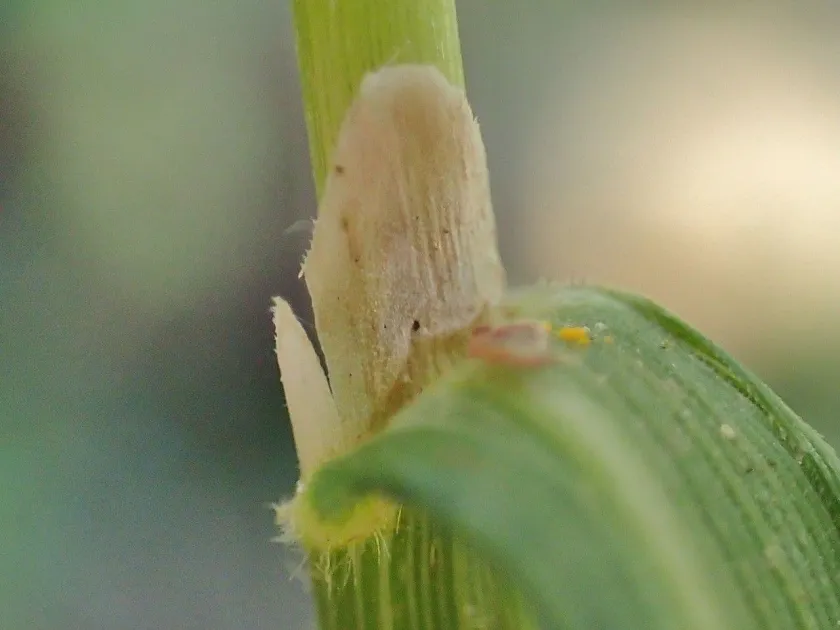
Description
Growing requirements
Long-bristled sugar cane, scientifically known as Saccharum longisetosum, is a perennial plant belonging to the grass family Poaceae.
The plant originates from tropical regions of Africa, typically found in savannah environments and along water bodies where it thrives in moist conditions.
It requires high temperatures to flourish, specifically favoring environments where the temperature remains consistently between 25 and 32 degrees Celsius.
Moisture is a critical factor for successful cultivation; the crop demands consistent rainfall or systematic irrigation to maintain rapid growth and high biomass production.
Ideal soil conditions include deep, nutrient-rich, and well-drained loams that provide adequate physical support for the fast-growing and dense stems.
Yield
The primary agricultural utility of Saccharum longisetosum revolves around its capacity to produce massive amounts of biomass for industrial processing.
It serves as a potential raw material for the bioenergy sector, with stems containing high levels of cellulose suitable for biofuel production.
In addition to energy use, the plant is valued for land reclamation, as its deep and interconnected root system helps stabilize riverbanks and slopes.
Some agricultural practices involve using the vegetative parts of the plant as auxiliary forage for livestock, specifically in regions where other grasses are seasonal.
Optimizing the harvest yields requires careful management of fertilizer application and the maintenance of optimal soil pH levels throughout the growing season.
Main diseases and pests
Like many species in the genus Saccharum, this crop is vulnerable to fungal infections, particularly red rot, which thrives in humid conditions.
Pests such as stem borers are significant threats, as they tunnel into the plant tissues and physically damage the stems, directly impacting yield volume.
Infestations of mealybugs can weaken young plants significantly, leading to reduced vigor and susceptibility to secondary infections by bacterial pathogens.
Integrated pest management, including regular crop inspection and the use of resistant varieties, is the most effective way to protect the harvest.
Chemical control measures should be applied judiciously, ensuring that pesticide application complies with regional agricultural and environmental regulations.