
Paspalum pubescens
Paspalum pubescens
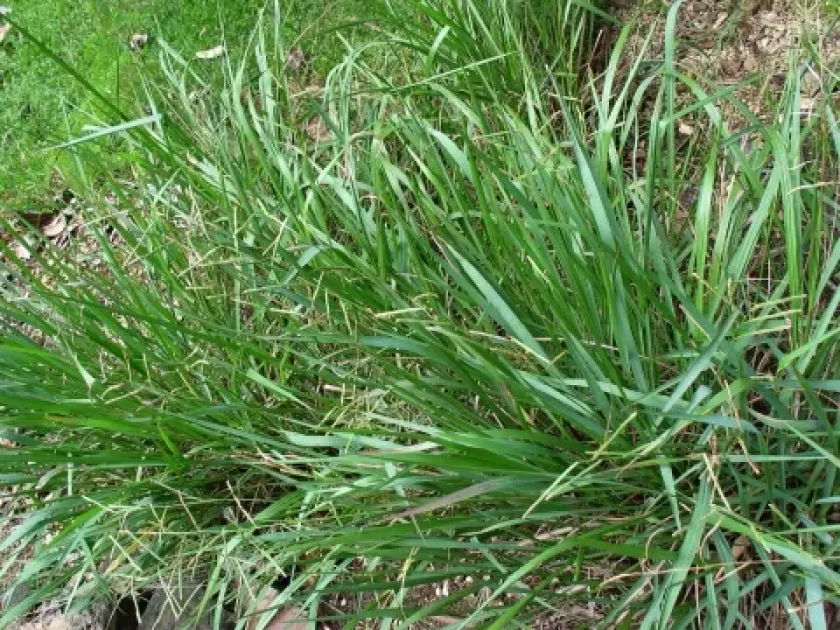
Description
Sowing dates
Sowing Paspalum pubescens should take place during spring when soil temperatures reach 15–18°C, ensuring optimal conditions for seedling establishment.
The seeds should be sown in rows at a rate of 10–15 kg per hectare, depending on local soil fertility levels and the intended use of the crop.
Seed depth is critical for this species; it should be limited to 1.5–2 cm to ensure high germination rates and prevent seedling exhaustion before emergence.
Rolling the soil after sowing is recommended to improve the contact between seeds and the soil surface, which is essential for uniform stand density.
Maintaining adequate soil moisture during the first few weeks after planting is vital to prevent soil crusting and support initial root development.
Growing requirements
Paspalum pubescens is a perennial, warm-season grass belonging to the Poaceae family, requiring ample sunlight and warmth for active vegetative growth.
It thrives best in well-drained loamy or sandy soils and is known for its ability to adapt to a variety of soil types with moderate fertility levels.
The grass is relatively drought-tolerant thanks to its robust root system, although consistent moisture significantly boosts biomass production during the season.
It prefers soil pH levels ranging from slightly acidic to neutral and generally does not perform well in highly alkaline or saline environments.
Nitrogen fertilization is essential for maximizing yield, particularly when the grass is managed for high-frequency cutting or intensive grazing systems.
Yield
Yield potential of Paspalum pubescens depends largely on irrigation, soil fertility management, and the frequency of harvesting throughout the season.
Under favorable management conditions, the crop produces multiple cuts, providing a reliable source of high-quality forage for livestock systems.
In rotational grazing, proper rest periods are necessary to allow the plant to replenish its root reserves, which ensures longevity and yield stability.
Maximum productivity is typically reached in the second or third year, as the plant matures and the sward becomes fully established across the field.
Post-harvest fertilization with balanced mineral nutrients helps maintain vigorous growth cycles and increases the overall dry matter output per hectare.
Main diseases and pests
The crop can be susceptible to various fungal leaf pathogens during periods of high humidity and poor air circulation within dense stands.
Insect pests, such as aphids and certain types of grasshoppers, may cause damage to the leaves during the peak growth months of summer.
Effective management includes maintaining proper planting density and regular scouting to identify early signs of infestations before they spread.
Crop rotation and field hygiene are fundamental strategies to reduce pathogen pressure and keep the insect population below economic thresholds.
Integrated pest management, including the use of biological control agents, is highly recommended to protect the quality and safety of the forage.
Harvesting
Harvesting for hay or silage should be timed with the flowering stage, when the nutrient profile, including proteins and sugars, is at its peak.
Adjusting the cutter bar to a height of 5–7 cm is crucial for protecting the basal buds, ensuring faster regrowth for subsequent harvests.
When preparing silage, proper compaction and sealing are necessary to preserve the nutritional value and prevent spoilage by aerobic fungi.
Seed harvest requires specialized machinery to minimize shattering, followed by careful drying and storage to maintain seed viability for future planting.
Timely harvest is essential to prevent the grass from becoming overly fibrous, which would significantly reduce its palatability and digestible energy content.