
Muhlenbergia
Muhlenbergia
Description
Growing requirements
Muhlenbergia is a diverse genus of perennial grasses belonging to the family Poaceae. These plants are native primarily to the Americas, ranging from arid deserts and open prairies to moist forest edges and riverbanks, demonstrating remarkable resilience to diverse environmental conditions.
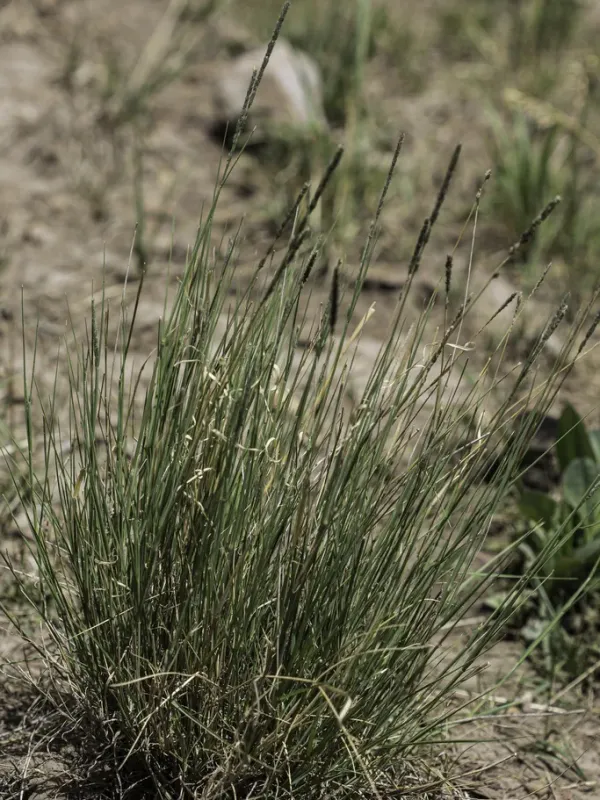
Botanically, Muhlenbergia species are characterized by their narrow, often wiry foliage and delicate, cloud-like inflorescences. During the late summer and autumn, the panicled flowers create a distinctive airy texture that makes this plant highly desirable for landscape projects.
Successful cultivation requires full sun exposure, which is crucial for maintaining the plant's structural integrity and preventing lodging. Muhlenbergia is known for its excellent drought tolerance once established, making it a sustainable choice for water-conscious garden designs.
Regarding soil preferences, the plant thrives in well-drained, sandy, or loamy substrates. It is generally tolerant of low-nutrient soils and does not require frequent fertilization, which helps maintain the characteristic compact growth habit of most cultivars.
The primary horticultural application of Muhlenbergia is ornamental landscaping, where it serves as a filler, focal point, or stabilizer for slopes. Certain species are also valued for their ability to contribute to soil erosion control in semi-arid ecosystems.
Main diseases and pests
The main threats to Muhlenbergia health involve moisture-related issues. Excessive watering or poorly drained soil can lead to crown rot, significantly weakening the plant and increasing susceptibility to secondary fungal infections.
Pests are rarely a significant problem, but in dense plantings with poor airflow, spider mites or aphids may appear. Maintaining proper spacing and keeping the area free of debris helps minimize these risks during the active growing season.
Harvesting
Maintenance is minimal and involves pruning the plant annually. Cutting back the dry foliage in late winter or very early spring before new growth appears is essential to ensure a clean, healthy development of the upcoming season's foliage.