
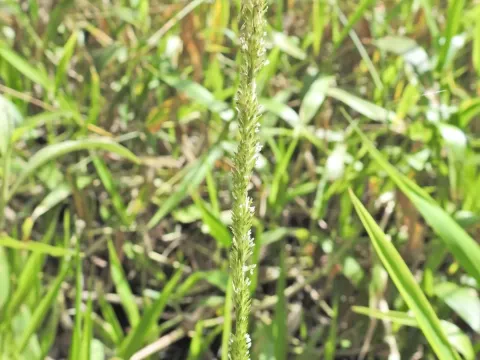
Hymenachne
Hymenachne
Hymenachne is a perennial grass species belonging to the Poaceae family, widely recognized for its adaptation to aquatic and semi-aquatic environments. Planting is typically scheduled at the beginning of the wet season, as the crop requires substantial soil moisture to ensure successful establishment of its root system.
What the section contains

Hymenachne
Propagation is often carried out using stem cuttings, which are placed in moist, nutrient-rich substrates. The ideal soil temperature for active growth ranges between 20°C and 30°C, ensuring that the plant establishes a dense canopy quickly to outcompete local weeds.
The primary environmental requirement for Hymenachne is consistent hydration. It is highly specialized for flood-prone areas, wetlands, and riverbanks, where it thrives in soil conditions that would be lethal to most other agricultural forage crops.
Soil fertility plays a significant role in biomass production. While the grass is adaptable, it performs best in silty or clay-heavy soils rich in nitrogen and organic matter. Regular fertilization can dramatically increase the yield, especially in areas where nutrient leaching occurs due to flooding.
Sunlight is critical for the photosynthetic efficiency of Hymenachne. It is an obligate tropical plant that requires long periods of daylight and warm temperatures to maintain its metabolic activities. It does not possess significant cold tolerance and will cease growing if temperatures drop too low.
Hymenachne is valued for its high biomass yield, making it an excellent candidate for intensive grazing systems. It provides a consistent source of green fodder, especially during periods when other forage crops might struggle due to excessive soil saturation.
The nutritional content of the grass is highly dependent on the stage of maturity. By managing the growth cycles effectively, farmers can optimize the protein content, ensuring that livestock receive high-quality nutrition throughout the growing season.
Like many tropical grasses, Hymenachne is susceptible to various fungal pathogens that thrive in warm, humid conditions. Proper field drainage management, where possible, can help mitigate the risk of root rot and other moisture-related diseases that impact the overall stand health.
Pests such as stem-borers and foliage-feeding insects are common threats in its native range. Integrated pest management strategies, focusing on early detection and biological controls, are essential to prevent significant damage and maintain high pasture quality.
Harvesting is usually managed through controlled grazing or mechanical harvesting for silage. It is crucial to harvest before the plant reaches full maturity, as the accumulation of lignin and fiber content at later stages reduces the forage quality and digestibility for cattle.
Rotational grazing is the recommended practice for Hymenachne. By allowing the plants sufficient recovery periods between grazing events, the root systems remain vigorous, supporting rapid regrowth and ensuring that the pasture remains productive for several years.