
Hydrochloa
Hydrochloa
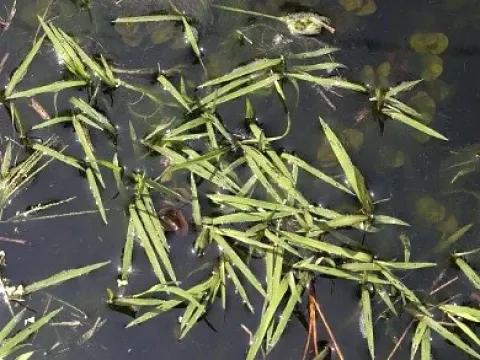
Hydrochloa is a genus of aquatic plants belonging to the grass family (Poaceae). These plants are specialized to thrive in submerged or semi-aquatic conditions, often forming dense floating mats in tropical water bodies throughout the Americas.
What the section contains
Hydrochloa
The origin of this culture is rooted in the tropical regions of South and Central America, where it naturally colonizes stagnant or slow-moving water surfaces. It is well-adapted to environments where nutrient absorption occurs through both root systems and submerged leaf surfaces.
Botanically, Hydrochloa is characterized by its thin, elongated stems and narrow leaves. The presence of aerenchyma tissue allows the plants to remain buoyant. The root system is relatively shallow, designed primarily for anchoring rather than deep soil penetration.
Requirements for growth focus on temperature and water quality. Ideally, the plants need warm water, consistently above 22°C, and plenty of sunlight. It is sensitive to water pollution and requires a specific balance of dissolved nitrogen and phosphorus to maintain growth.
In agricultural and ecological use, Hydrochloa serves as a habitat for aquatic organisms and a source of organic matter. It is sometimes employed in bio-remediation projects to improve water quality by absorbing excess nutrients from aquaculture effluents.
Hydrochloa is susceptible to several fungal diseases, particularly those affecting aquatic grasses under high humidity and low flow conditions. Rust and leaf spot pathogens can rapidly spread through floating colonies, causing premature chlorosis.
Insect pests include various species of aquatic larvae that consume the soft tissues of the stems and leaves. If left unchecked, these infestations can destroy entire patches of the plant by compromising its structural integrity and buoyancy.
Invasive snails and other gastropods are major threats to the population. These herbivores feed voraciously on the submerged parts of the plant, often leading to a complete collapse of the colonies in small or contained water systems.
Environmental stress, such as sudden changes in water acidity (pH) or chemical contamination, poses a critical threat to survival. As a sensitive plant, Hydrochloa cannot withstand high concentrations of synthetic agricultural runoff or industrial heavy metals.
Competition from aggressive algae and other aquatic weeds, such as water hyacinth, is a constant struggle. These plants can outcompete Hydrochloa for light and nutrients, significantly reducing the density and overall health of the crop in a shared habitat.