
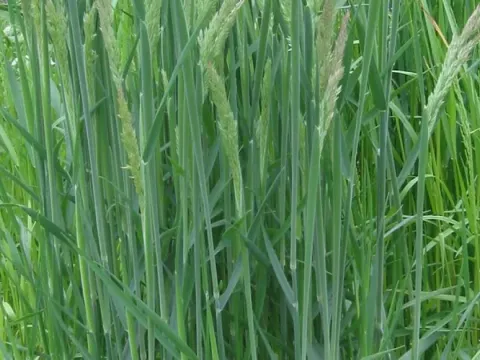
Hybrid soft grass
Holcus hybridus
Hybrid soft grass is a perennial cereal crop, making early spring or late summer the ideal periods for sowing to ensure optimal moisture levels.
What the section contains
Hybrid soft grass
The seeds require soil temperatures between +10 and +15 degrees Celsius to germinate effectively and achieve uniform crop establishment across the field.
Sowing rates are typically maintained at 10–12 kg per hectare, depending on the purity of the seeds and the intended purpose of the forage stand.
Due to the small size of the seeds, shallow planting at a depth of 1–2 centimeters is critical to prevent exhaustion of the seed energy before emergence.
Rolling the soil immediately after seeding is a standard practice to improve soil-to-seed contact, which significantly enhances the overall germination rate.
Belonging to the Poaceae family, this crop is known for its versatility, showing a preference for moderately moist soils with good aeration properties.
One of the key advantages of hybrid soft grass is its notable tolerance to acidic soils, making it an excellent choice for land reclamation projects.
The plant thrives in well-lit environments and should be cultivated in open areas to avoid growth suppression caused by shading or excessive canopy density.
It exhibits high winter hardiness, allowing it to adapt to various climatic zones and remain productive even after harsh winter conditions.
Applying nitrogen-based fertilizers during the active growth phase greatly promotes vegetative mass development and ensures rapid regrowth after grazing or cutting.
The yield potential of hybrid soft grass is highly dependent on soil fertility levels and the implementation of proper pasture management practices.
Under favorable conditions, the grass can support two to three cuts per season, providing a steady supply of high-quality forage throughout the year.
The young green matter is characterized by its high protein content and digestibility, making it an essential component of livestock diets.
Standard yields of dry matter typically range from 30 to 50 centners per hectare when properly fertilized and managed within an intensive farming system.
Its excellent palatability makes it a preferred choice for grazing, as animals show a strong preference for the foliage both in fresh and dried states.
Common phytosanitary threats include fungal diseases such as rust and powdery mildew, which tend to flourish in conditions with high atmospheric humidity.
Pests like cereal flies and aphids pose risks to the crop by damaging the growth points and potentially reducing the total density of the stand.
Effective management involves regular field monitoring and the application of integrated pest management strategies to mitigate damage without overusing chemicals.
Preventative measures, such as maintaining appropriate stand density and controlling weed populations, are vital for reducing the risk of disease transmission.
Overall, the crop displays robust resilience if managed correctly, rarely requiring intensive chemical intervention when conditions for growth are optimized.
Harvesting for hay is most effective when the plants reach the early heading stage, ensuring the best nutritional profile for stored forage.
Mowing should be performed at a height of 5–7 centimeters to protect the plant crowns and encourage vigorous regrowth for subsequent harvesting cycles.
The harvested grass should be dried in windrows until the moisture content reaches an appropriate level for safe long-term storage and preservation.
When producing haylage, proper chopping and tight compression in silos are essential to eliminate oxygen and prevent spoilage or mold formation.
Frequent and timely harvesting prevents the plants from reaching senescence, thereby keeping the forage quality high and maintaining crop longevity.