
Helictotrichon pretutianum
Helictotrichon pretutianum
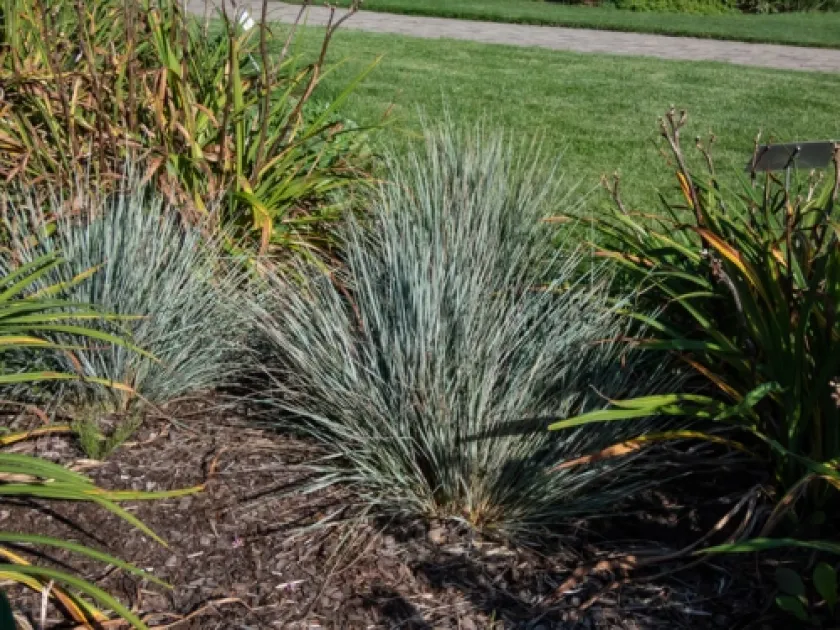
Description
Growing requirements
Helictotrichon pretutianum is a perennial grass species belonging to the Poaceae family. It is known for its ability to thrive in challenging high-altitude environments, making it a robust candidate for mountain agricultural systems.
The species prefers well-drained, nutrient-poor, or rocky soils, demonstrating excellent adaptation to soil conditions that are typically considered marginal for other common forage crops.
Biologically, it is characterized by a dense tufted growth habit, which allows it to preserve moisture effectively during dry spells. Its leaves are typically narrow and rigid, contributing to its high resilience in wind-swept areas.
Agricultural management of this crop involves minimal intervention due to its natural hardiness. However, for maximum biomass production, light fertilization with potassium and phosphorus during early growth stages is beneficial.
In terms of utilization, it is primarily used for pasture grazing in mountainous regions and is highly valued for erosion control on steep slopes where common grasses fail to establish.
Main diseases and pests
Helictotrichon pretutianum is generally resistant to most common grain diseases. However, in cases of poor site drainage, the roots may become susceptible to fungal rot, affecting the overall vigor of the plant.
Pest pressure is usually low, though grasshoppers and certain aphid species can occasionally cause damage to tender vegetative tissues if populations reach critical thresholds.
Effective management includes rotational grazing, which prevents over-exploitation of the plants and limits the buildup of pest populations in the grass canopy.
If fungal diseases occur, localized management using eco-friendly treatments is recommended to preserve the integrity of the ecosystem, especially in natural grazing lands.
Maintaining a healthy, vibrant plant community is the best defense against invasive weeds and pathogens, ensuring that the Helictotrichon stand remains productive for many years.