
Clubawn
Corynephorus
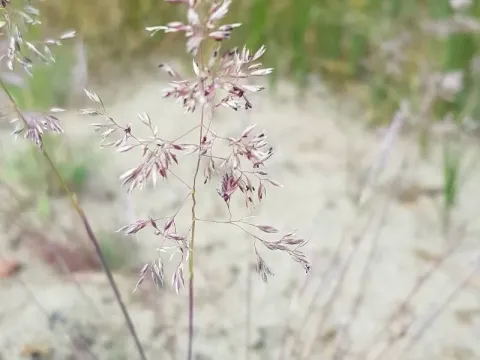
Clubawn (Corynephorus) is a genus of perennial grasses belonging to the Poaceae family. These plants are true psammophytes, naturally evolved to thrive in shifting sands and highly nutrient-poor substrates where common grasses fail to establish.
What the section contains
Clubawn
The origin of the species is linked to the coastal dunes and inland sandy heaths of Europe. It serves a vital ecological function by stabilizing loose sands, which makes it an indispensable component in large-scale land reclamation and erosion control projects.
Regarding soil requirements, Clubawn is exceptionally undemanding. It thrives in acidic to neutral sandy soils that are highly permeable and lack organic matter. It cannot tolerate waterlogging, which is detrimental to its deep and sensitive root system.
The climate requirements emphasize full sun exposure. As a drought-resistant plant, it performs best in open areas with high light intensity. Adequate ventilation is also necessary to maintain the plant's characteristic grey-green foliage and structural integrity.
In terms of agricultural management, minimal interference is the key to success. Fertilizer application is generally discouraged, as added nutrients promote the growth of weeds that outcompete Clubawn, leading to a loss of the specialized habitat.
Clubawn is naturally resilient to many common cereal diseases. Its adaptation to arid, open environments prevents the buildup of humidity, which is a critical factor for the development of fungal spores and leaf blights.
Pest pressure is notably low. The foliage of the plant is tough and contains high levels of silica, which acts as a deterrent for many herbivorous insects that typically feed on softer pasture grasses.
The primary threat to the stability of a Clubawn colony is excessive physical disturbance. Trampling or vehicular traffic can compromise the fragile dune structure, exposing the roots and facilitating erosion that the plant is trying to prevent.
Poor drainage is the most significant physiological threat. When grown in non-native, heavier soils, the accumulation of moisture can quickly trigger root rot, which is often fatal to the plant given its evolutionary focus on rapid drainage.
Management strategies should focus on preventing the invasion of woody shrubs and more aggressive herbaceous species. Periodic clearing of dead biomass is helpful for rejuvenation, ensuring the plant has enough light for growth in the following season.