
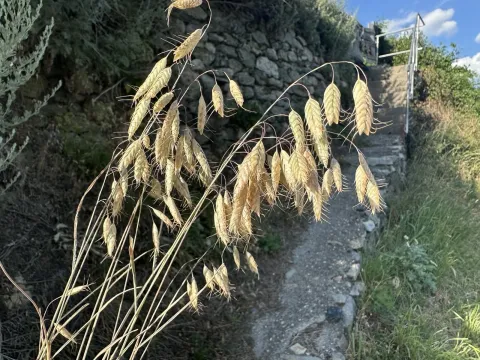
Squarrose brome
Bromus squarrosus
Squarrose brome (Bromus squarrosus) is a grass species belonging to the Poaceae family. While often categorized as a weed, its role in natural grasslands and meadow management is significant for biodiversity and ground cover.
What the section contains
Squarrose brome
The optimal sowing time for establishment is in late autumn or early spring. Seeds require soil contact and a cool period for successful germination, mimicking natural ecological cycles.
Precision in sowing depth is vital, with 1–2 cm being sufficient to protect seeds from drying out while ensuring enough energy for the emergence of the coleoptile. Shallow sowing is preferred to ensure a uniform stand.
Seedlings exhibit rapid development, which allows them to establish dominance in a seedbed within a few weeks under favorable temperature conditions, starting around 10–12°C.
When overseeding into established pastures, a light harrowing is recommended before spreading the seeds to improve soil-to-seed contact and increase overall establishment success rates.
This grass is highly resilient and thrives in temperate to semi-arid climates. It prefers well-drained, fertile soil types, including loams and sandy substrates, but is noted for its adaptability to poorer soils.
Squarrose brome requires full sun exposure to achieve maximum photosynthetic efficiency. Shaded environments inhibit its growth and lead to a significant reduction in leaf area and seed production.
The species is known for its excellent drought tolerance, allowing it to persist in regions with prolonged dry spells. Its root system is moderately deep, which facilitates water uptake from lower soil layers.
Soil pH ranging from 6.0 to 8.0 is ideal for optimal nutrient uptake. It is quite tolerant of slightly alkaline soils, which makes it a valuable species in various steppe habitats across Europe and Asia.
Winter hardiness is one of the plant's key assets. It is capable of enduring harsh winter conditions, provided the soil moisture is not excessive, as saturated soils in winter can cause root rot.
The forage yield of Bromus squarrosus is moderate compared to intensive agricultural grasses. Under good environmental conditions, it provides a stable source of biomass for grazing or hay production.
The timing of harvest is critical for maximizing feed quality. Harvesting before the seeds reach maturity prevents the hardening of the awns, which can otherwise cause physical irritation to livestock.
Yield components can be improved through moderate nitrogen fertilization, especially during the early spring growth phase. However, excessive fertilization might favor more competitive grasses at its expense.
The nutritional profile includes high energy content during the leafy growth stage, but protein levels drop significantly as the plant progresses into the reproductive phase and sets seed.
Integration into rotational grazing schemes can help maintain a vigorous stand. By allowing periods of rest, the plant can regenerate its energy stores in the roots, leading to better regrowth in subsequent seasons.
Common diseases affecting this species include rusts and powdery mildew, which typically appear during periods of high humidity and warm temperatures. Proper field hygiene is the primary defense strategy.
Pest pressures are generally low but can include grasshoppers and aphids during warm, dry years. These pests can significantly impact the leaf tissue and reduce the overall quality of the hay produced.
Control of competitive invasive weeds is necessary to prevent the decline of the stand. While the species is competitive, it can be crowded out by more aggressive perennial grasses in high-fertility environments.
The spread of the species is mainly via seeds, which can be easily transported by wind or machinery. Implementing cleaning procedures for equipment can help contain it within intended management areas.
Preventing nutrient imbalances is essential for maintaining plant health. Phosphorus and potassium levels in the soil should be monitored regularly to ensure the plant maintains its natural resistance to biotic stress.