
Stebbins Barley
Hordeum stebbensii
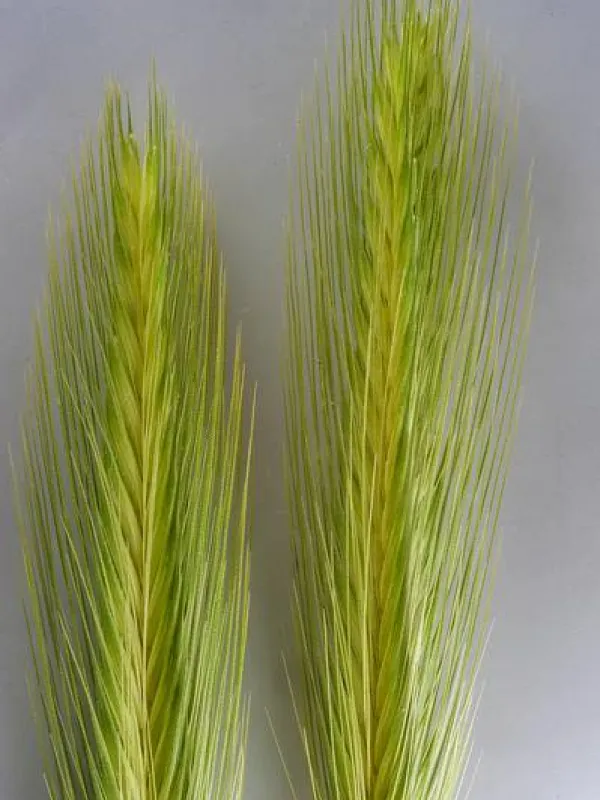
Description
Sowing dates
Stebbins Barley (Hordeum stebbensii) is a wild relative of cultivated barley, valued primarily for its genetic diversity. Sowing is typically conducted in controlled environments or nurseries where soil temperature is maintained between 10 and 15 degrees Celsius.
The seeds require a stable moisture environment to break dormancy. In experimental plots, precision drilling at shallow depths—ideally 2 to 3 cm—is necessary to ensure consistent and uniform germination.
Due to the species' wild nature, the seeds have a slower rate of emergence compared to commercial varieties. It is crucial to maintain a friable soil structure to facilitate the penetration of the coleoptile through the topsoil.
Timing is critical, as Hordeum stebbensii responds strictly to photoperiodic signals. Planting too early or too late in the season can significantly impact the timing of the heading stage and overall plant height.
It is recommended to use weed-free, nutrient-balanced growing media for initial cultivation. The use of sterile substrates helps avoid competition from aggressive ruderal plants during the delicate establishment phase.
Growing requirements
Hordeum stebbensii is a member of the Poaceae family that thrives in well-ventilated, sunny locations. High light intensity is essential for promoting healthy tillering and robust stalk development.
The species prefers slightly alkaline soils with excellent drainage. Waterlogged conditions can lead to root rot and other physiological disorders that inhibit growth and nutrient uptake.
Temperature requirements are moderate; the plant flourishes in ranges between 15 and 25 degrees Celsius. Extreme heat, particularly during the grain-filling period, can cause premature senescence.
While the plant shows resistance to moderate drought, a consistent moisture supply during the stem elongation stage is vital for maximizing the reproductive output of the barley.
The nutritional profile of the soil should be balanced. Excess nitrogen is discouraged, as it promotes excessive vegetative growth, which may lead to lodging and a higher susceptibility to fungal pathogens.
Main diseases and pests
Fungal diseases, specifically leaf rusts and powdery mildew, are the most frequent threats. These pathogens thrive in stagnant air and high humidity, requiring careful microclimate management.
Insect pests, such as aphids, pose a dual threat by feeding on plant sap and potentially transmitting viruses that can cause systemic plant damage and stunted growth.
Cereal leaf beetles can cause extensive damage to the foliage during the vegetative stage. Regular monitoring is essential to prevent significant defoliation, which reduces photosynthesis.
Soil-borne pests like wireworms can jeopardize the root system of young seedlings, causing patchiness in the field or nursery beds, which necessitates preventive soil treatments.
Proper sanitation and the use of healthy, disease-free seed stocks are the primary lines of defense against most endemic threats, reducing the need for aggressive chemical interventions.