
Sporobolus tremulus
Sporobolus tremulus
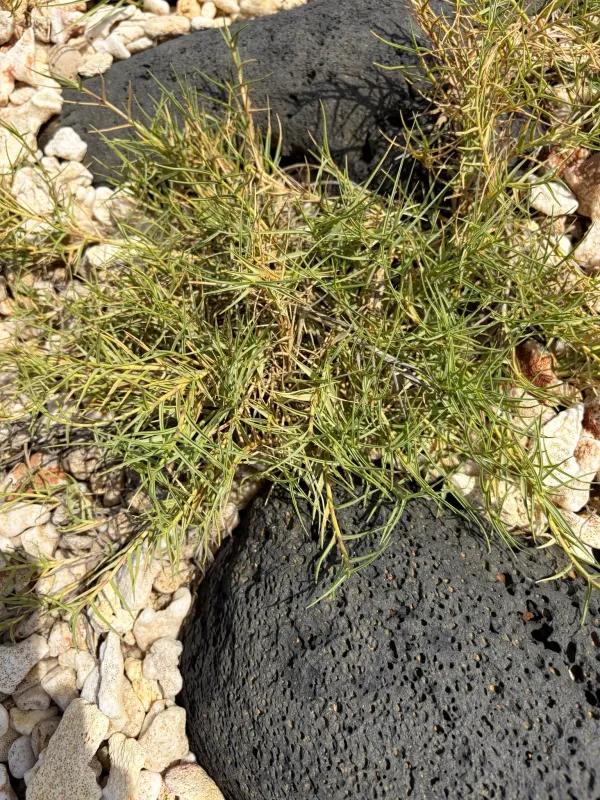
Description
Growing requirements
Sporobolus tremulus is a perennial grass species belonging to the Poaceae family. It is recognized for its remarkable ability to thrive in challenging environmental conditions, particularly in coastal or arid zones.
The plant is native to tropical and subtropical regions, predominantly found in Asia. It is highly adapted to sandy, saline, or alkaline soils where many other crop species fail to establish.
Botanically, it features a rhizomatous growth habit with narrow, delicate leaves and characteristic panicle inflorescences. The plant exhibits high heat tolerance and can survive extended droughts.
Soil requirements for this species are relatively modest, as it favors well-drained substrates but displays exceptional resilience to salt stress compared to typical forage grasses.
Agro-technically, the crop is valued primarily for its role as a forage source for livestock and as a critical species for soil stabilization and environmental protection in sensitive coastal regions.
Main diseases and pests
The primary health concerns for this species relate to fungal pathogens that proliferate under high humidity or stagnant water conditions, which can lead to root degradation.
Insect pests, including various species of aphids and leafhoppers, are known to feed on the plant, potentially causing stunted growth and reduced biomass yield if infestations are heavy.
Grasshoppers and other generalist foliage feeders can represent a significant threat to the vegetative canopy during the hot season, reducing the nutritive value of the fodder.
Effective management requires maintaining appropriate plant density and avoiding soil compaction to ensure the health of the rhizomes, which are essential for the plant's long-term survival.
Integrated pest management strategies are recommended, focusing on the use of resistant strains and sustainable grazing practices that minimize damage to the grass cover.