
Spreading lovegrass
Eragrostis patens
Description
Sowing dates
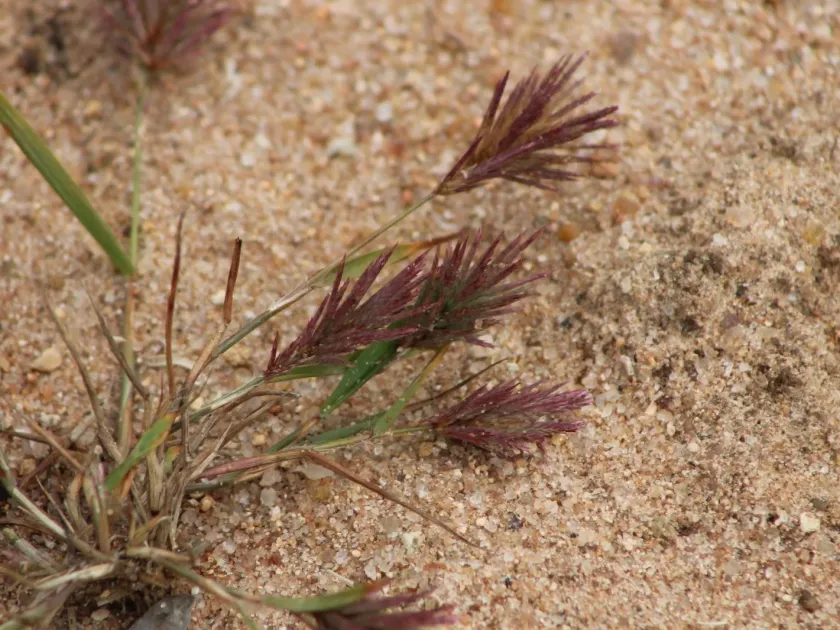
Spreading lovegrass (Eragrostis patens) is a valuable grass species belonging to the Poaceae family. This crop is known for its ecological plasticity, making it suitable for both seeded pastures and the improvement of natural grazing lands.
Sowing is typically conducted in the spring when soil temperatures reach 10-12 degrees Celsius. Sufficient soil moisture is critical during the initial germination phase to ensure proper establishment of the seedlings.
The seeds should be planted at a shallow depth of 1-2 centimeters due to their small size. Mechanical packing of the soil after sowing is recommended to ensure firm contact between the seed and the soil particles.
The seeding rate varies depending on soil fertility and field conditions, generally ranging from 6 to 10 kilograms per hectare for pure stands. Proper distribution of seeds leads to a dense and productive canopy.
In regions with consistent rainfall, late-summer sowing is also possible, provided that the plants have enough time to establish their root systems before the first frost occurs.
Growing requirements
The crop is highly light-demanding and thrives in open environments with maximum sunlight exposure. Any shading from weeds during the seedling stage significantly inhibits development and reduces overall biomass production.
It prefers light, well-drained sandy or loamy soils. While the grass demonstrates moderate drought tolerance, sustained moisture levels during the peak growth season are necessary for achieving high yields.
The optimal soil pH range for spreading lovegrass is between 6.0 and 7.0. Liming acidic soils can significantly enhance nutrient availability and promote vigorous growth.
The species shows moderate salinity tolerance, which allows for cultivation in flood-prone areas. However, waterlogged soils with poor drainage should be avoided as they may lead to root rot and diminished plant health.
Nitrogen fertilization is essential for intensive management. Applying fertilizer after each cutting or grazing cycle helps the grass recover quickly and maintain its nutritional profile.
Yield
The yield of spreading lovegrass is highly dependent on effective management practices. Under optimal conditions, the grass is capable of producing multiple cuttings per growing season.
Average hay production ranges from 1.5 to 2.5 tons per hectare depending on soil quality and fertilization levels. Irrigation can significantly boost these yields in arid climates.
The nutritional value is highest during the booting stage, which is the recommended time for hay harvesting. During this period, the protein content and overall digestibility are at their peak.
High regrowth potential allows for efficient use in pasture systems. The grass quickly recovers after being grazed or mowed, ensuring a continuous supply of high-quality forage for livestock.
Proper nutrient management, particularly phosphorus and nitrogen application, is a key strategy for maximizing the annual biomass output and ensuring the long-term sustainability of the stand.
Main diseases and pests
The most common diseases affecting this crop are rusts and various fungal leaf spots, which thrive in humid and crowded conditions. Disease management relies on maintaining airflow and proper stand density.
Pests such as aphids and grass-feeding insects can cause damage during the early growth stages. Regular scouting is necessary to detect infestations and implement appropriate control measures promptly.
Weed competition poses a significant risk to the crop, especially in the establishment year. Mechanical weed control and proper site preparation are the best methods to minimize these threats.
Overgrazing is a major threat to stand longevity. Maintaining a strict rotation schedule helps preserve plant vigor and prevents the invasion of opportunistic weeds into the pasture.
Preventative strategies include using certified seed, maintaining a balanced fertilization program, and rotating pastures to prevent the buildup of soil-borne pathogens.
Harvesting
Hay harvesting should be performed during the full heading stage to balance biomass quantity with nutritional quality. Harvesting too late leads to increased lignification, which reduces palatability for livestock.
When used for green forage, harvesting begins when plants reach a height of 20-30 centimeters, which encourages rapid regrowth of the next cycle of vegetation.
Rapid drying is necessary to preserve the vitamin content and color of the hay. Using modern tedders to turn the windrows helps ensure uniform moisture loss and prevents mold growth.
Seed production requires harvesting at the wax-ripe stage to prevent grain shattering. Careful handling of the harvested material ensures the availability of high-quality seeds for future planting.
Post-harvest management involves clearing the field of debris to allow the crown of the plants to receive sufficient light and air, which is vital for winter survival and early spring green-up.