
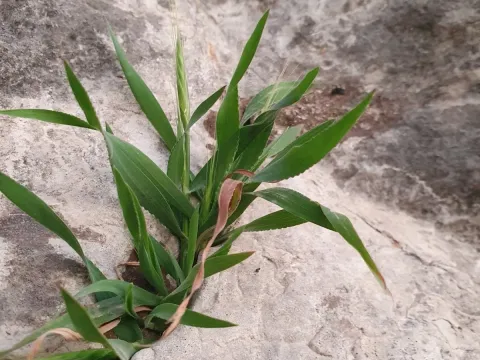
Stace's false brome
Brachypodium stacei
Stace's false brome (Brachypodium stacei) is a diploid grass species belonging to the Poaceae family. It has become a crucial model organism for plant biology, specifically for studying the genomics of temperate cereals and forage grasses.
What the section contains
Stace's false brome
This species naturally originates from the Mediterranean basin, where it has evolved to thrive in semi-arid and rocky environments. Its ability to complete a life cycle in challenging conditions makes it a subject of great scientific interest.
The cultural requirements demand well-drained, porous soils to prevent waterlogging. It performs best in areas with high light intensity, as the species is essentially heliophilic, preferring open spaces over shaded habitats.
Temperature management is key; the plant prefers moderate to warm conditions. It possesses remarkable drought tolerance, which is supported by its deep root system and physiological adaptations to limited water availability.
Regarding soil fertility, it does not require intensive fertilization, making it a potentially low-input crop. However, keeping the soil pH in the neutral range is recommended for optimal nutrient uptake.
Pathogenic fungi represent the primary threat to Brachypodium stacei, especially under conditions of poor air circulation. Powdery mildew can quickly spread across the leaf blades if the environment remains stagnant.
Common agricultural pests such as aphids and various species of mites can attack the plants. These pests feed on the sap, causing chlorosis and stunted development of the affected tillers.
Soil-borne pests like wireworms pose a significant risk, particularly when the crop is established on former pasture land. Regular monitoring and mechanical soil treatments help to mitigate these risks effectively.
Management strategies involve keeping plant density at appropriate levels to allow for sufficient airflow. This simple practice significantly reduces the incidence of mold and fungal infections in dense stands.
Using certified seed and treating the soil before sowing are standard practices to ensure healthy crop establishment. Any signs of infestation should be addressed immediately to protect the research or production plot.