
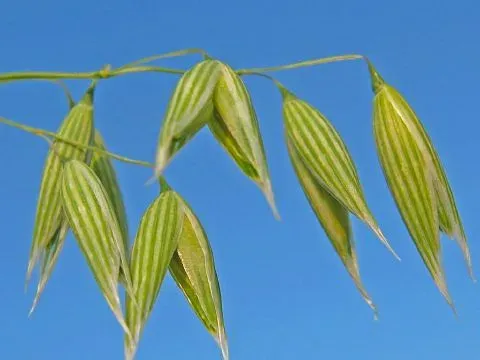
Red oat
Avena byzantina
Red oat is a spring-sown crop, typically planted as soon as soil conditions allow in early spring. Early sowing is crucial for this species to establish a strong root system before the onset of the summer heat common in its native ranges.
What the section contains
Red oat
The standard planting method involves drilling in rows with 12 to 15 cm spacing. The seed depth should be maintained at 4 to 6 cm to ensure optimal moisture availability for germination and uniform stand establishment across the field.
Seeding rates generally range from 120 to 160 kg per hectare, depending on the seed weight and local fertility levels. Proper spacing is essential to reduce plant competition and allow for vigorous tillering, which is a key trait of this variety.
Seed treatment is standard practice to mitigate risks associated with seed-borne pathogens. Using certified, high-germination seed lots is recommended to ensure a competitive advantage over weeds during the critical early growth stages.
In regions with fluctuating temperatures, selecting appropriate sowing dates helps synchronize the growth phases with the most favorable meteorological conditions, thereby maximizing the potential yield per unit area.
As a member of the Poaceae family, Avena byzantina, commonly known as Red oat, thrives in Mediterranean and temperate climates. It is notably more heat and drought tolerant than the common cultivated oat (Avena sativa).
The crop prefers well-drained, fertile soils with a neutral pH. While it can adapt to various soil types, waterlogging must be avoided, as the plant is sensitive to anaerobic conditions in the root zone during its active growth period.
Temperature plays a major role in its development; it requires higher growing degree days compared to other oats. Its ability to withstand hot, dry conditions makes it an excellent choice for southern agricultural regions where other cereals might struggle.
Sufficient solar radiation is required for optimal photosynthesis and grain filling. Dense planting should be avoided in low-light environments to prevent lodging and ensure the development of robust, high-quality grains.
Fertilization management should focus on a balanced application of nitrogen, phosphorus, and potassium. Nitrogen application is particularly effective during the tillering stage to boost biomass production for forage or grain yield.
Red oat is susceptible to common cereal diseases, including crown rust and various forms of smut. Integrated pest management strategies, focusing on variety selection and timely fungicide application, are necessary to maintain crop health.
Pests such as cereal aphids and leaf beetles can cause significant damage to the foliage. Monitoring programs should be implemented to determine economic thresholds before initiating chemical control measures to minimize environmental impact.
Soil-borne pathogens can be a major issue if crop rotations are not managed properly. A minimum three-year rotation cycle is recommended to break the life cycles of specific pathogens and pests that affect small grains.
Competition from weeds is most critical during the seedling stage. Early intervention using selective herbicides or mechanical weeding ensures that the crop maintains access to essential nutrients and soil moisture throughout the season.
Environmental stress, such as extreme heat during anthesis, can also negatively affect pollination. While Avena byzantina is resilient, extreme weather events remain a significant threat to overall grain fill and final production.